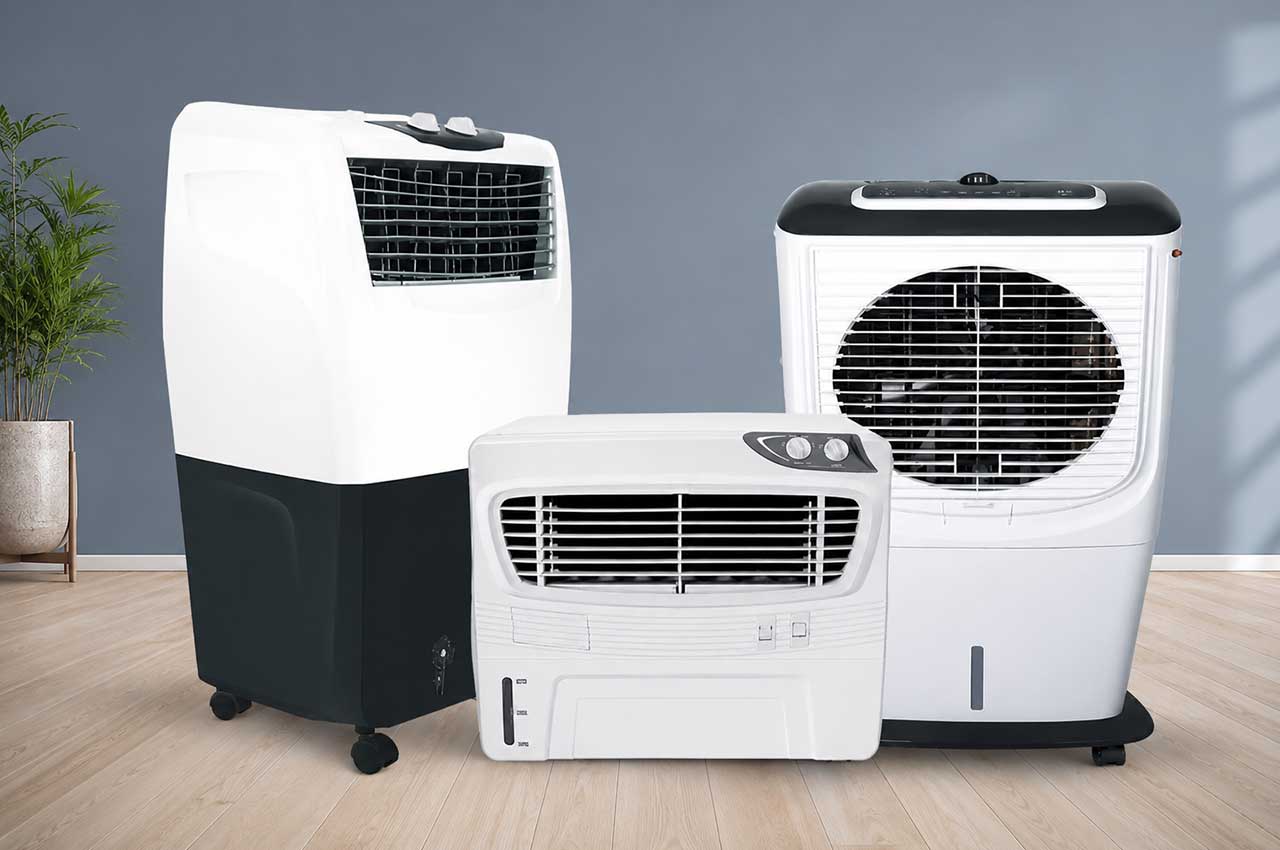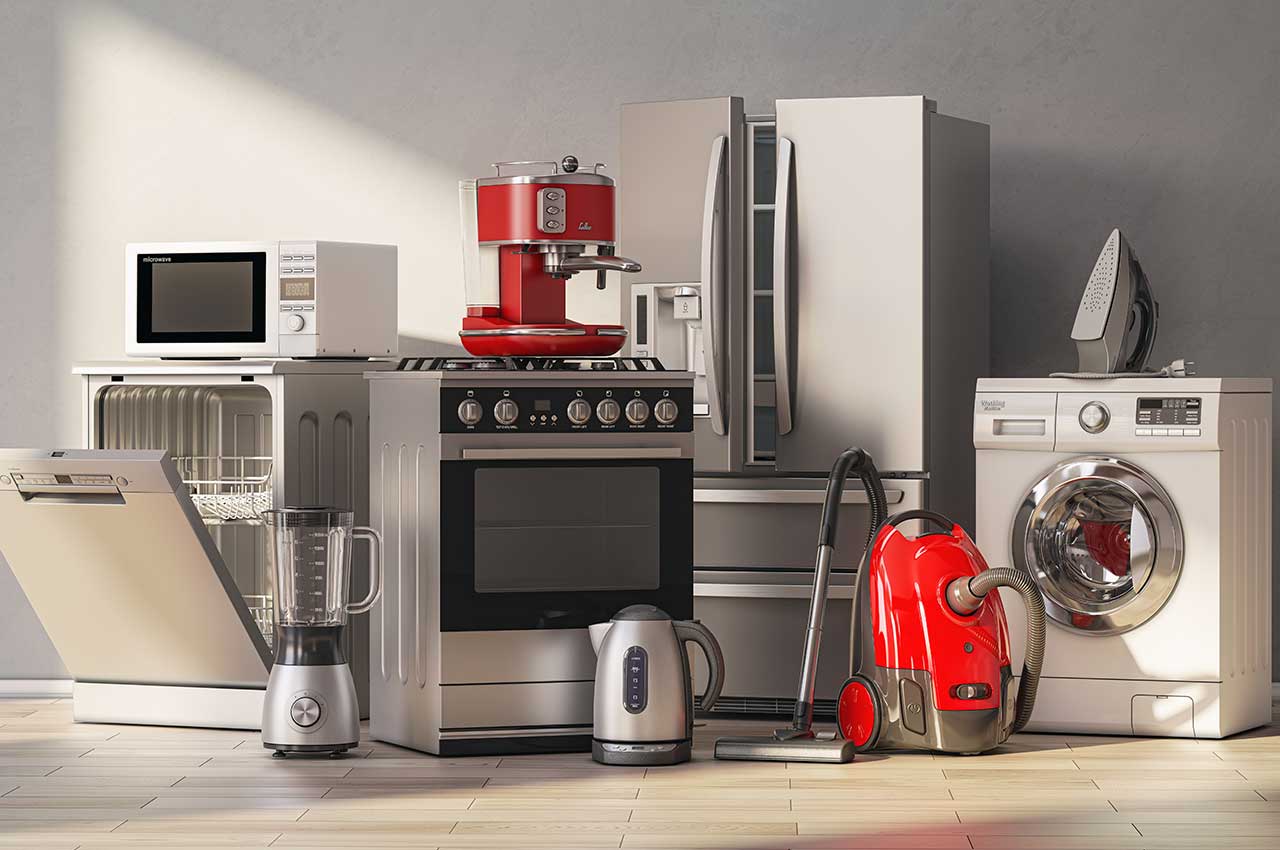

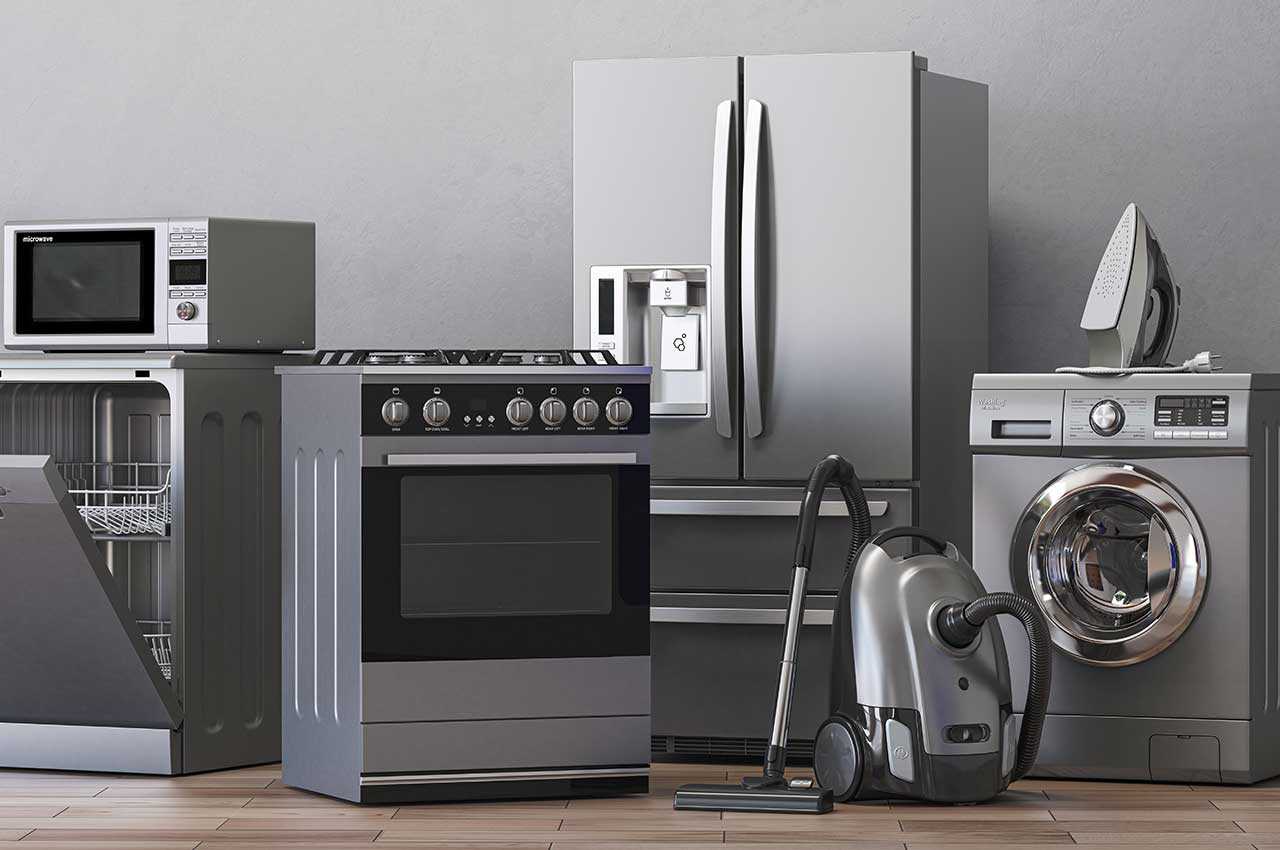
Today’s homes are equipped with many electrical devices. From refrigerators to HVAC systems, these operate under continuous exposure to thermal fluctuations, humidity, vibration and environmental stress.
Material choice for building these home appliances, therefore, plays an important role in the durability. For this reason, appliance manufacturers worldwide increasingly rely on galvanised steel for structural and enclosure components.
The global market for galvanised steel exceeds $100 billion and is projected to continue to grow as the demand for galvanised steel home applications expands throughout the Asia Pacific. As consumer demand for durable, low-maintenance appliances grows, material performance becomes a key differentiator.
In this blog, let’s discuss in detail why the galvanised steel sheets are now gaining ground.
It’s not just ovens that require heat-resistant appliances. There are several more galvanised steel applications that need protection from this for long-term usability.
Here is a list of applications that generate heat during operations:
These operations require materials with corrosion resistance and structural integrity to withstand exposure to these different conditions.
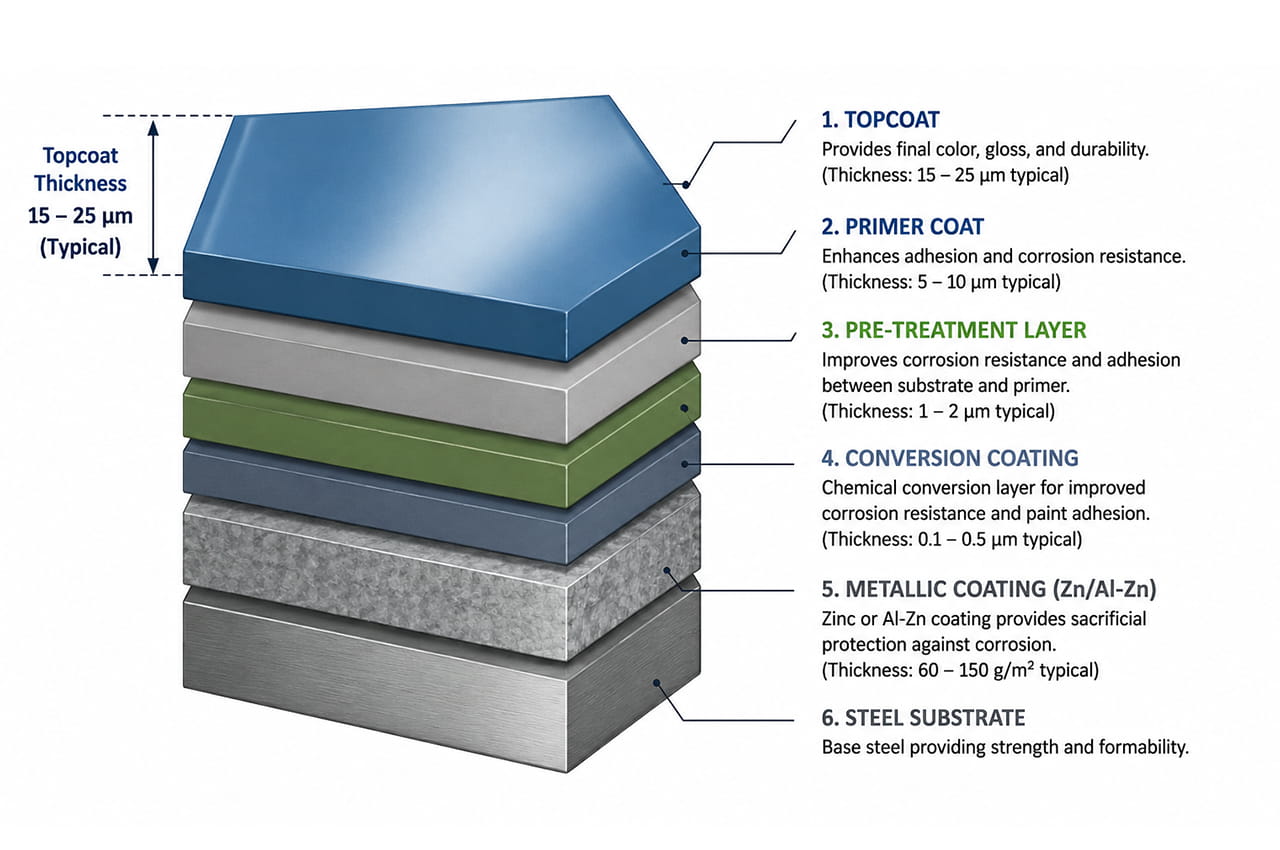
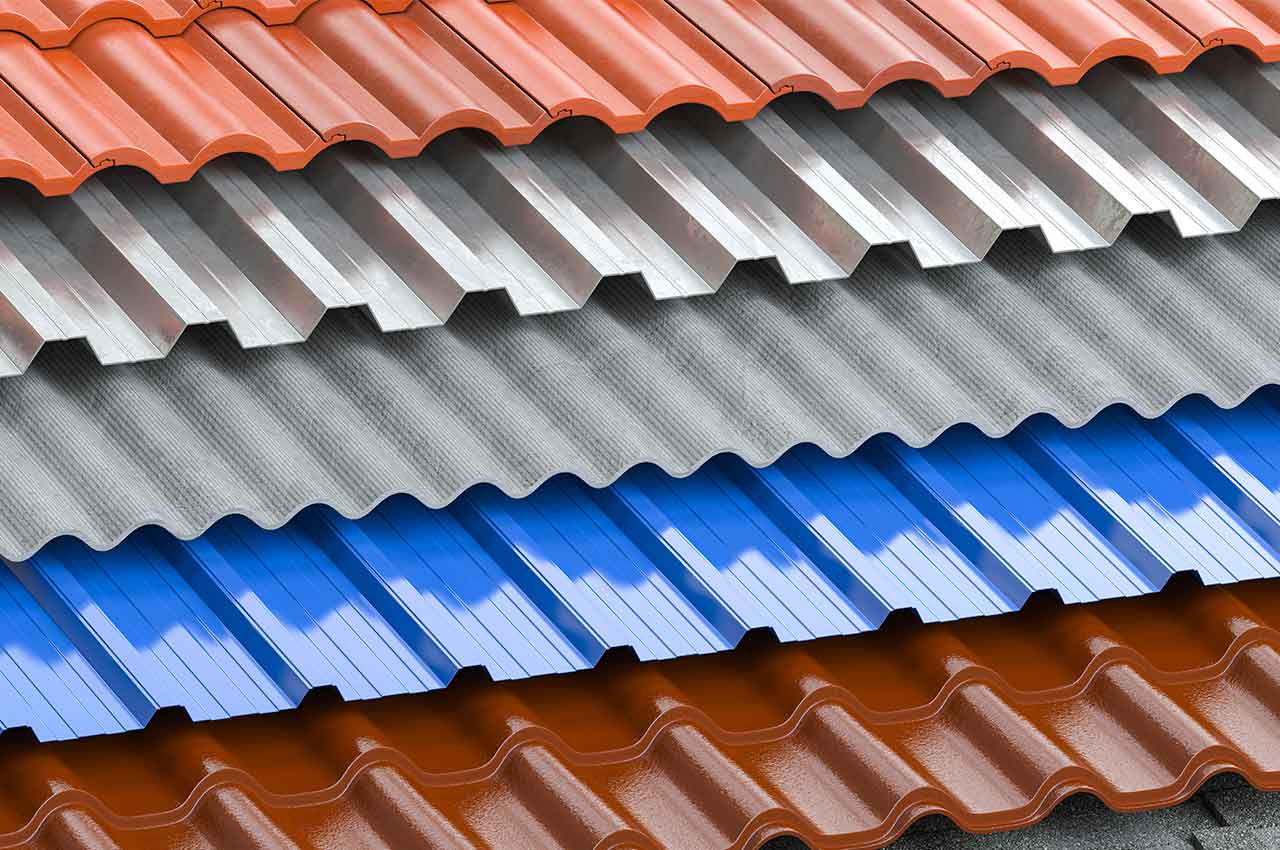
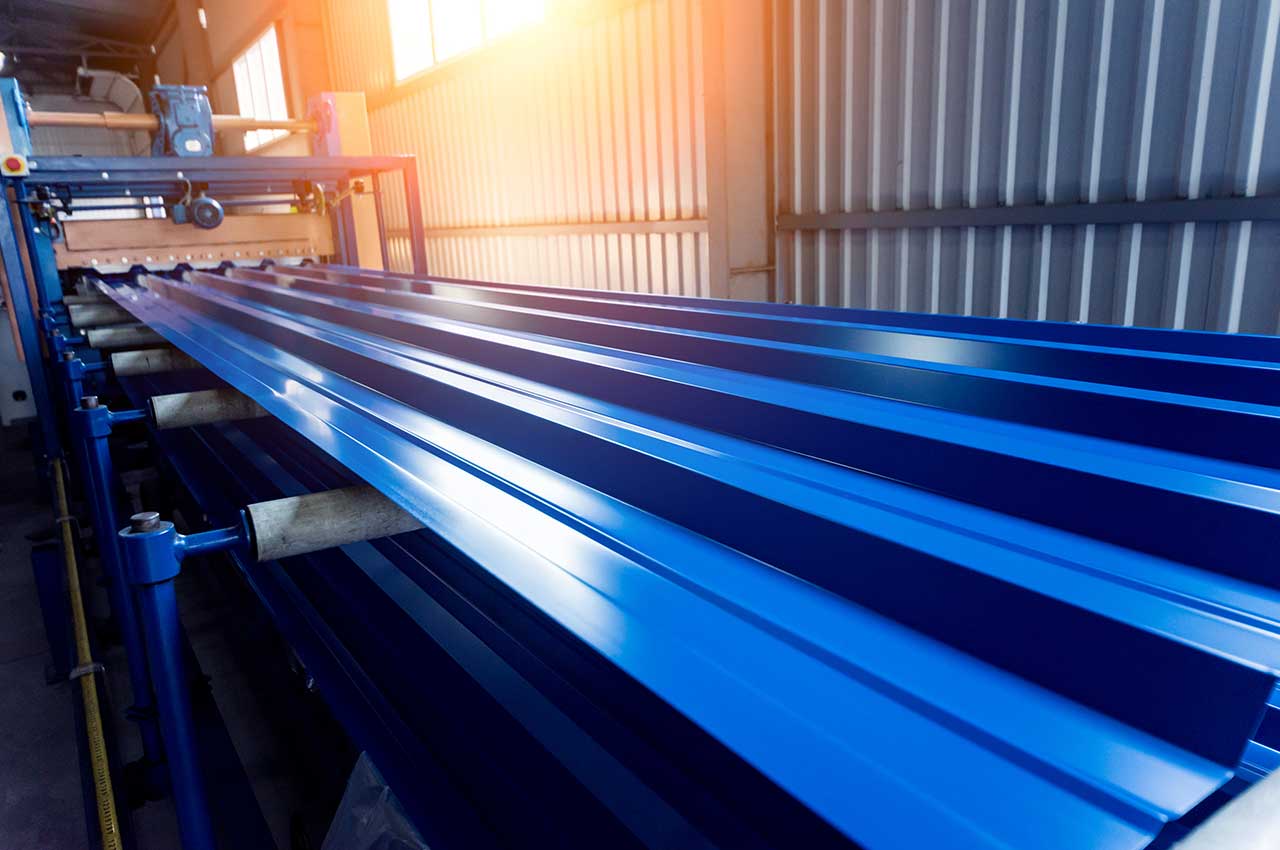
Galvanised steel achieves this through a metallurgically bonded zinc coating that acts as both a physical barrier and a sacrificial protective layer, preventing oxidation of the base metal.
Cooking ovens- In ovens, the outer body panel must withstand both fluctuating temperature and humidity in the kitchen. Zinc-coated steel sheets keep moisture from rusting the edges and joints.
The home appliance exterior faces constant stress. The outer body must resist moisture, vibration and daily wear.
Home appliance manufacturers prefer galvanised steel sheets because they offer corrosion protection, strong structural integrity and low cost.
Leading manufacturers such as Manaksia build galvanised steel sheets for home appliances with evenly applied zinc coatings and strong adhesion performance.
Galvanised steel delivers the right balance of heat tolerance, moisture resistance, structural strength, and economic viability. Its ability to perform consistently across refrigerators, washing machines, air conditioners, ovens and water heaters makes it indispensable in modern appliance manufacturing.
Providers that ensure coating precision and uniform quality will remain critical to this ecosystem. Companies such as Manaksia Coated Metals & Industries Limited support this growing demand by delivering galvanised steel solutions engineered for long-term industrial performance.
Q. Why is galvanised steel suitable for heat-resistant home appliances?
A. Galvanised steel withstands thermal fluctuations and humidity through its zinc coating, which protects the base metal from corrosion while maintaining structural integrity under repeated heating and cooling cycles.
Q. How does galvanised steel prevent rust in appliances?
A. The zinc coating forms a protective barrier and acts as a sacrificial layer, preventing moisture from reaching the base metal and significantly reducing the risk of oxidation and corrosion.
Q. In which home appliances is galvanised steel commonly used?
A. Galvanised steel is widely used in refrigerators, washing machines, ovens, air conditioners, HVAC ducting and water heaters for panels, frames, brackets and protective enclosures.
Q. Is galvanised steel cost-effective compared to stainless steel?
A.Yes, galvanised steel offers excellent cost-performance advantages. It provides reliable corrosion resistance, good strength and easy formability at a lower cost than stainless steel.
Q. Does galvanised steel support efficient appliance manufacturing?
A. Its smooth surface allows strong paint and powder coating adhesion, ensuring consistent finish quality while reducing production defects and improving manufacturing efficiency.
Q. Why is coating quality important in galvanised steel sheets?
A. Uniform zinc coating thickness ensures consistent corrosion protection, longer appliance lifespan and reduced maintenance issues, making high-quality manufacturing standards essential for long-term performance.