
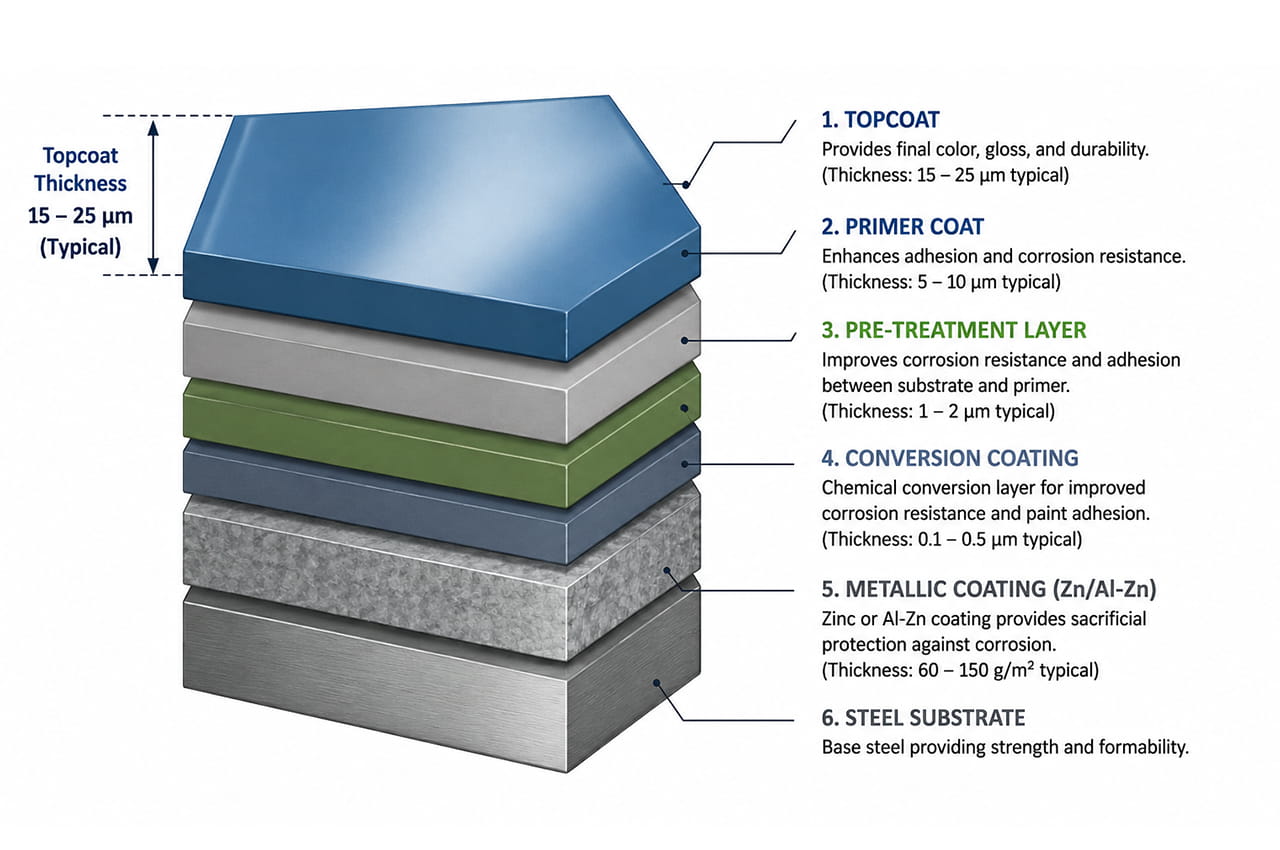
There are many factors that can affect how pre-painted steel performs. One of the most important elements to consider is topcoat thickness. Topcoat thickness is measured in microns. The thickness of the topcoat on steel determines how well pre-painted steel will perform when exposed to corrosion, UV light, weathering, and abrasion over the long term.
Manufacturers are now paying significant attention to coating technology due to the increased demand for prefabricated materials in the construction, infrastructure, and appliance industries. According to global coated steel industry projections, demand for pre-painted steel continues to increase in roofing, cladding, appliances, and industrial applications due to its combination of lightweight strength, corrosion resistance, and aesthetic appeal.
The question many buyers ask today is simple: how much difference do a few extra microns really make?
Depending on the thickness of the topcoat on pre-painted steel, even an additional 5–10 microns could significantly increase its longevity and durability in harsh and demanding environments.
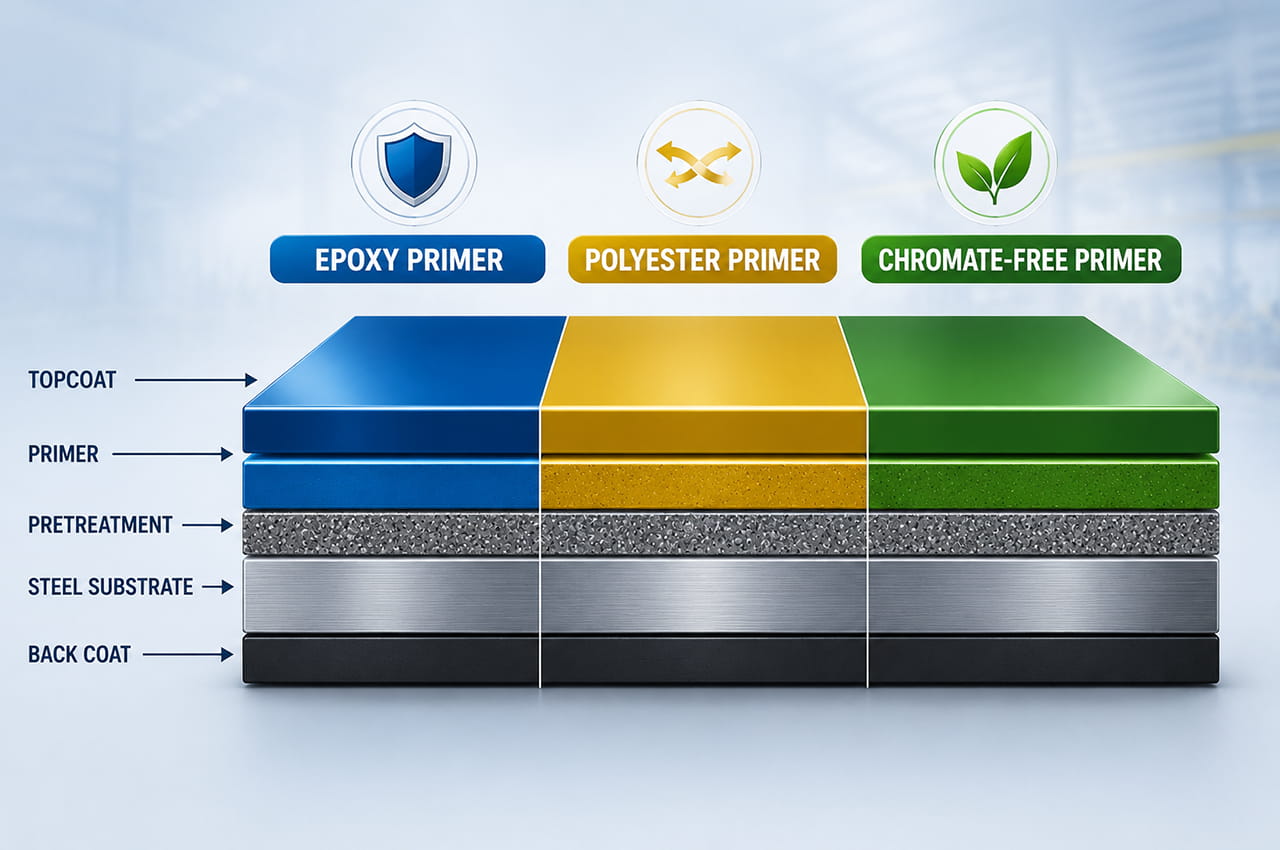
A typical coil coating process consists of several stages, including cleaning, chemical pre-treatment, primer application, and topcoat application.
The topcoat layer is the first line of defence against environmental exposure.
There are coating thickness standards in the industry:
High-quality pre-painted steel products use a combination of primer and topcoat to provide a balanced protective system. Industry references indicate that the average thickness of a topcoat is 15 to 25 microns, while the total thickness of the paint system can be 25 to 40 microns, depending on the application.
The durability of pre-painted steel is directly linked to the thickness and quality of its protective coating system. As a general rule, the thicker the topcoat, the more resistant the product will be to:
Once steel is exposed to moisture from rain, humidity, industrial pollutants, or salt-laden air, microscopic defects can gradually allow corrosion to begin. A thicker topcoat provides a stronger protective barrier between the steel substrate and the environment, helping prevent corrosion for a longer period.
For example, many steel roofing products are used in coastal areas where they are exposed to salt-laden air. In such situations, standard 15-micron coatings often fail faster than 25-micron or PVDF-based systems specifically engineered for aggressive environments.
Industry testing standards such as EN 10169 and ASTM A755 have been developed to evaluate the durability of coatings used on pre-painted steel products. These tests assess adhesion, flexibility, salt spray resistance, and weathering performance to ensure long-term durability.
In addition to durability, colour retention is also important. If the topcoat thickness is too thin, the coating may fade more rapidly when exposed to UV radiation. This factor is particularly important in architectural applications where the appearance of the pre-painted steel affects both property value and brand perception.
Corrosion resistance is one of the primary reasons industries prefer coated steel over conventional materials. However, corrosion protection depends heavily on coating thickness.
Commonly used for ceiling panels, indoor applications, and low-corrosion environments, this range is the most economical option.
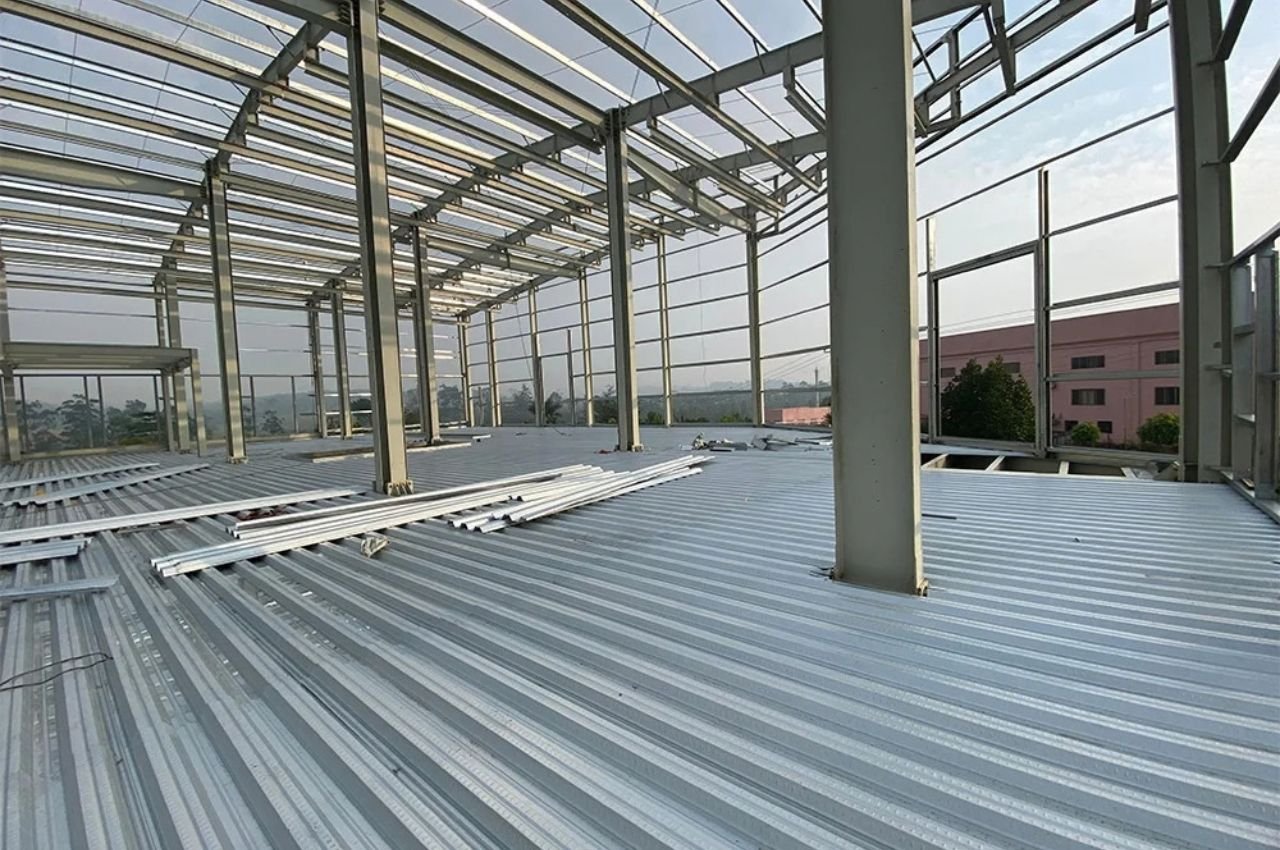
This coating thickness range is considered the industry standard for roofing, wall cladding, and general construction applications.
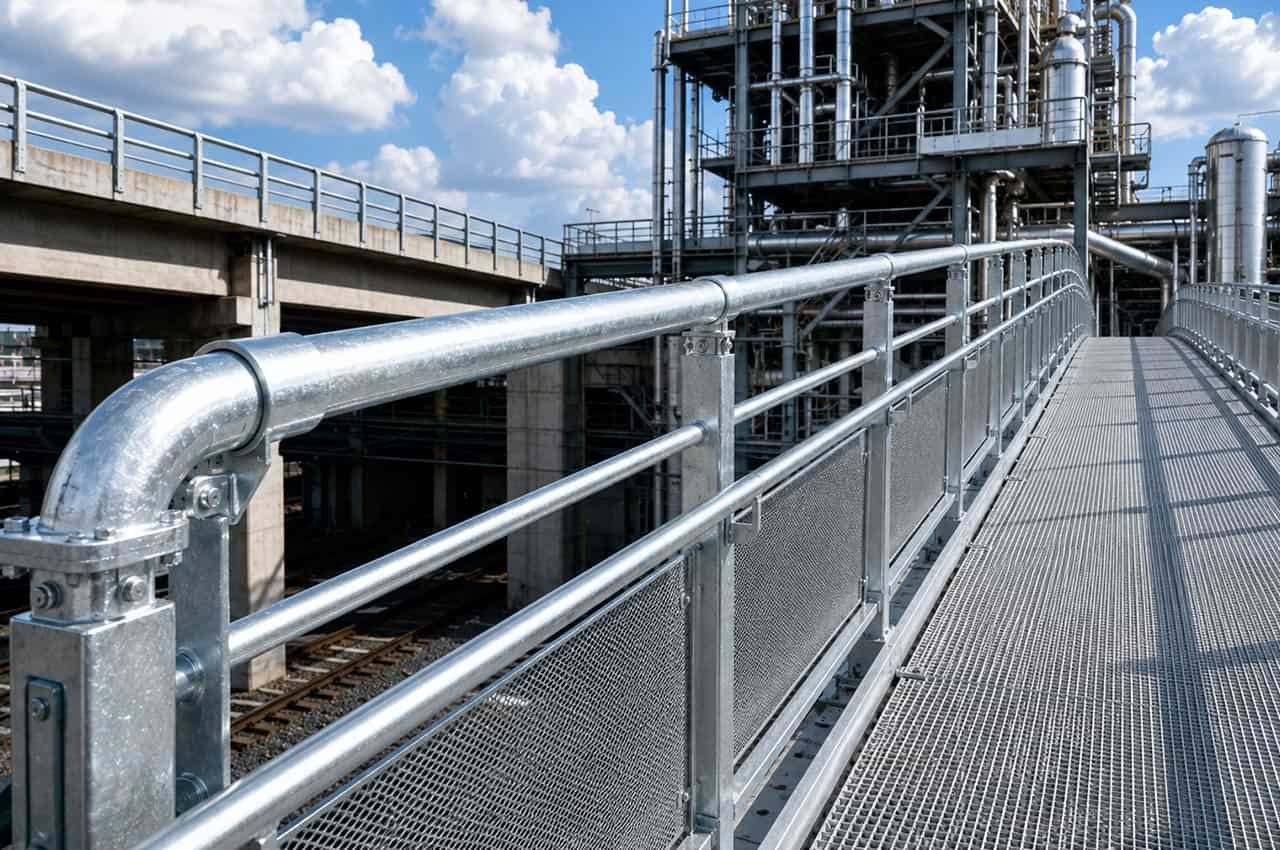
These thicker coatings are typically used in coastal, industrial, or highly humid environments and are often combined with advanced coating chemistries such as SMP or PVDF. High-performance coatings provide some of the best corrosion resistance, UV resistance, and chemical resistance available today.
Research across the industry indicates that increased coating thickness enhances the barrier effect against moisture and oxygen intrusion, slowing the corrosion cycle.
Additionally, increased coating thickness helps maintain the integrity of the steel over time. It reduces the likelihood of paint cracking during roll-forming and bending operations.
The global shift toward high-performance coated steel has accelerated the use of advanced paint systems, including:
Each of these paint systems offers varying levels of durability, gloss retention, flexibility, and corrosion protection.
Advanced coatings developed by Manaksia Coated Metals are designed to deliver durability, corrosion resistance, and long-term performance. The company offers pre-painted steel products with coating thicknesses ranging from 10 to 25 microns and paint systems such as SMP, SDP, PU, and PVDF.
Through the two-coat-two-bake process employed by Manaksia Coated Metals, the company ensures better paint adhesion, a smoother finish, and enhanced protection against weathering and bending stress.
Answer: Topcoat thickness protects steel from corrosion, UV rays, scratches, fading, and weather damage, improving durability and extending the product’s service life.
Answer: A 20–25 micron topcoat is widely recommended for roofing, wall cladding, and exterior construction applications requiring balanced durability and cost efficiency.
Answer: Thicker coatings create a stronger barrier against moisture, oxygen, pollutants, and salt-laden air, slowing the corrosion process significantly.
Answer: SMP and PVDF coating systems offer superior UV resistance, chemical protection, and long-term durability for coastal and industrial environments.
Answer: Yes. Thin coatings fade, chalk, and lose gloss faster under UV exposure, affecting both aesthetics and long-term surface performance.
Answer: Manaksia uses advanced paint systems and a two-coat-two-bake process for stronger adhesion, smoother finish, and improved weather resistance.