
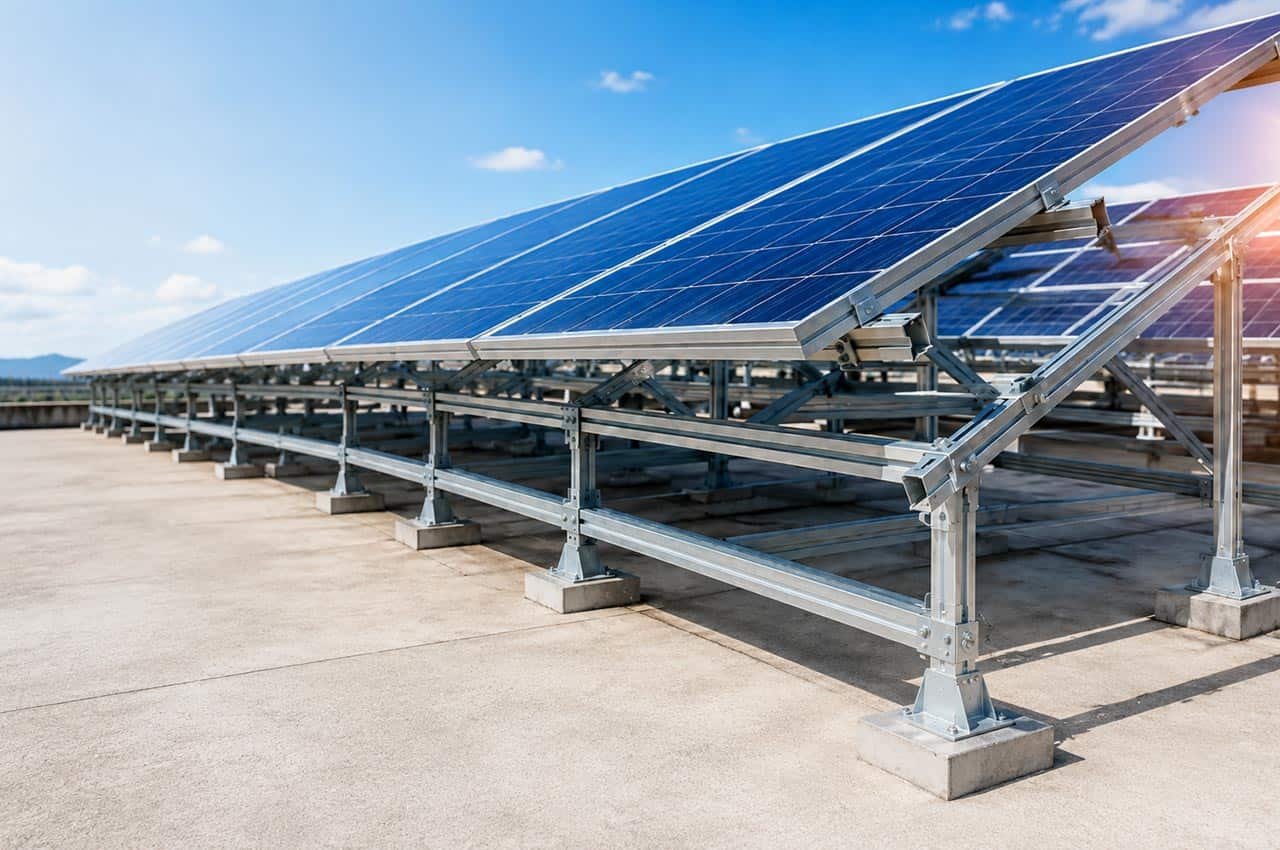
As the world continues to transition towards renewable energy, solar power has emerged as one of the fastest-growing sources of electricity. Modern solar panel mounting structures are expected to withstand harsh weather conditions, heavy wind loads, temperature fluctuations, and years of continuous outdoor exposure.
Among the various materials available, Alu-Zinc steel has become the preferred choice for developers, EPC contractors, and industrial users seeking durable and cost-effective solar mounting solutions.
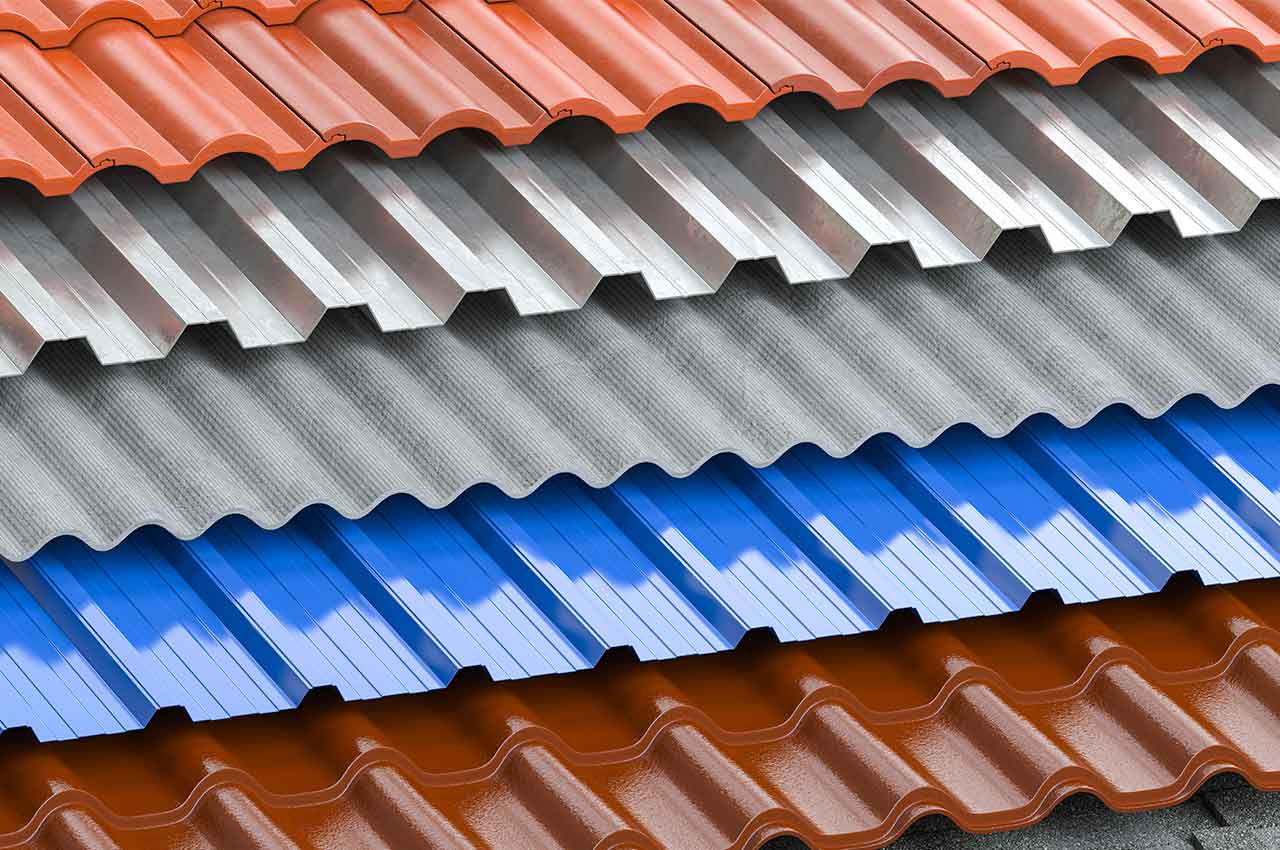
Galvanised steel has long been used for structural applications. However, solar installations demand materials capable of delivering reliable long-term performance under demanding environmental conditions. This is where Alu-Zinc steel offers a distinct advantage.
One of the primary reasons behind the growing popularity of Alu-Zinc steel is its exceptional corrosion resistance. Solar mounting structures remain continuously exposed to rain, humidity, dust, pollution, and changing weather conditions.
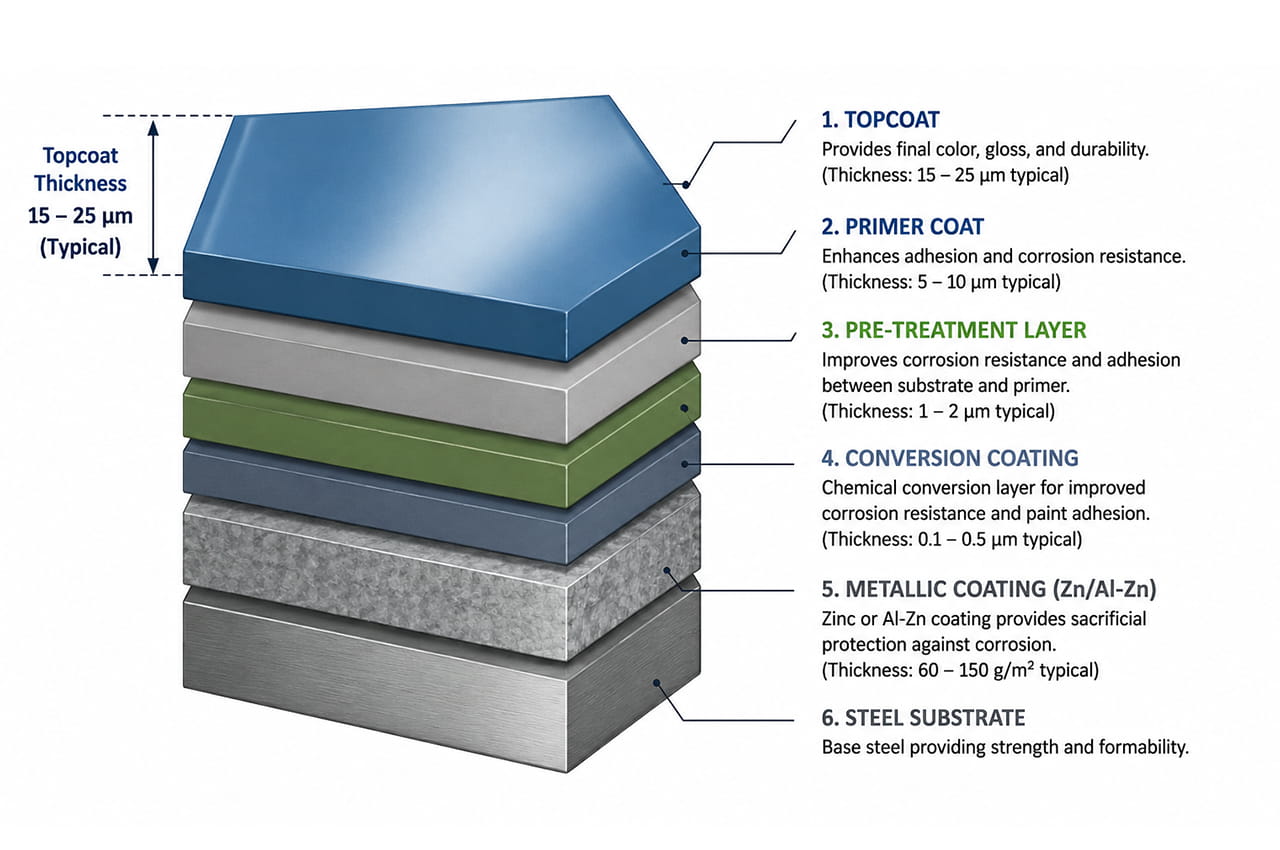
The aluminium-rich coating acts as a protective barrier against moisture, while the zinc component provides sacrificial protection to exposed edges. This dual-layer protection enables Alu-Zinc steel to outperform conventional galvanised steel in most atmospheric conditions, making it particularly suitable for long-term outdoor applications.
Durability is a top priority for solar projects, which are designed as long-term investments. Frequent repairs or replacement of mounting structures can significantly increase maintenance costs and system downtime.
Alu-Zinc steel features an advanced alloy coating that retains its protective properties over extended periods, helping maintain the structural integrity of solar panel mounting systems throughout the operational life of the solar plant.
Industrial rooftops often experience extremely high temperatures during summer. Alu-Zinc steel reflects more solar radiation than conventional galvanised steel, reducing heat absorption by the mounting structure. Lower operating temperatures contribute to improved structural stability while supporting the long-term performance of solar mounting systems in warm climates.
Solar mounting structures must support heavy photovoltaic panels while remaining easy to transport, fabricate, and install. Alu-Zinc steel offers an excellent strength-to-weight ratio. Its high mechanical strength enables engineers to design durable support systems without adding unnecessary structural loads to rooftops or foundations.
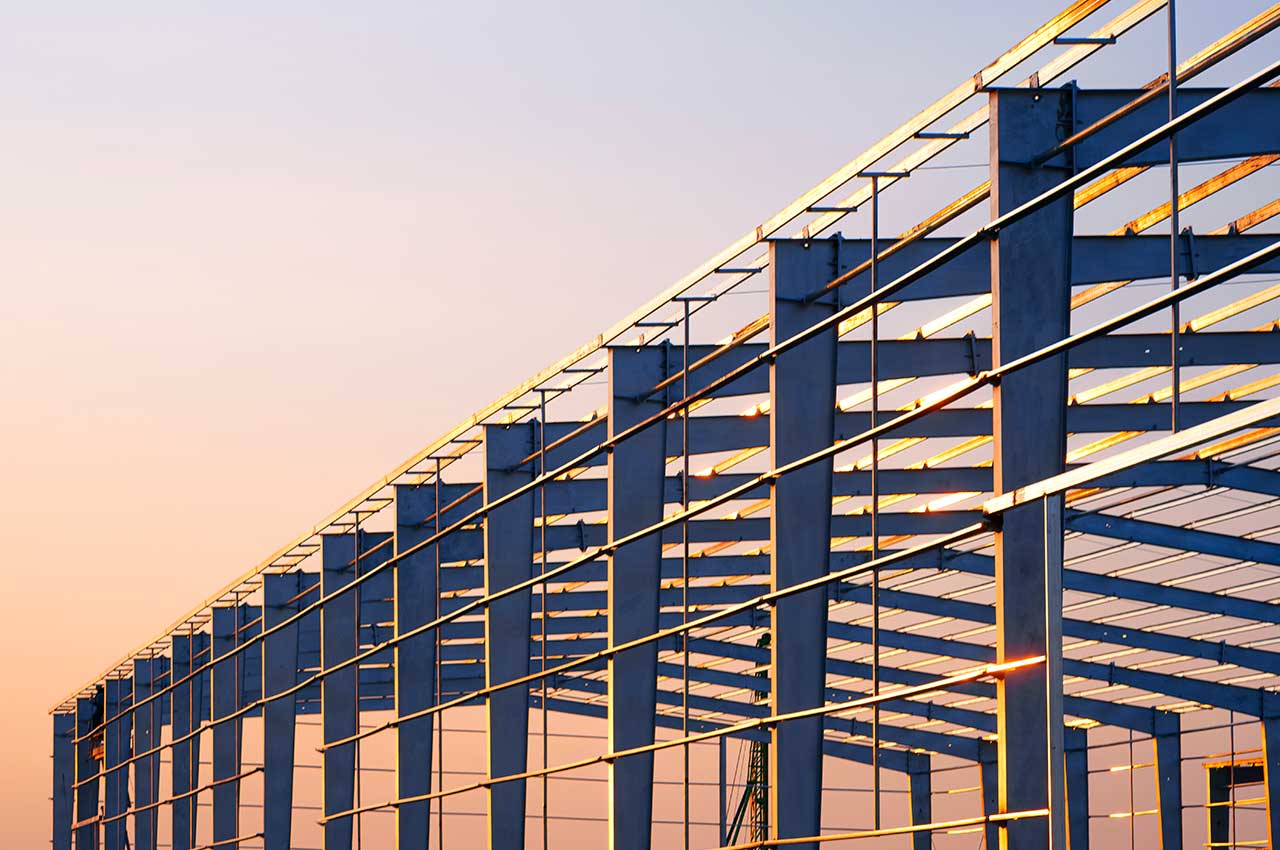
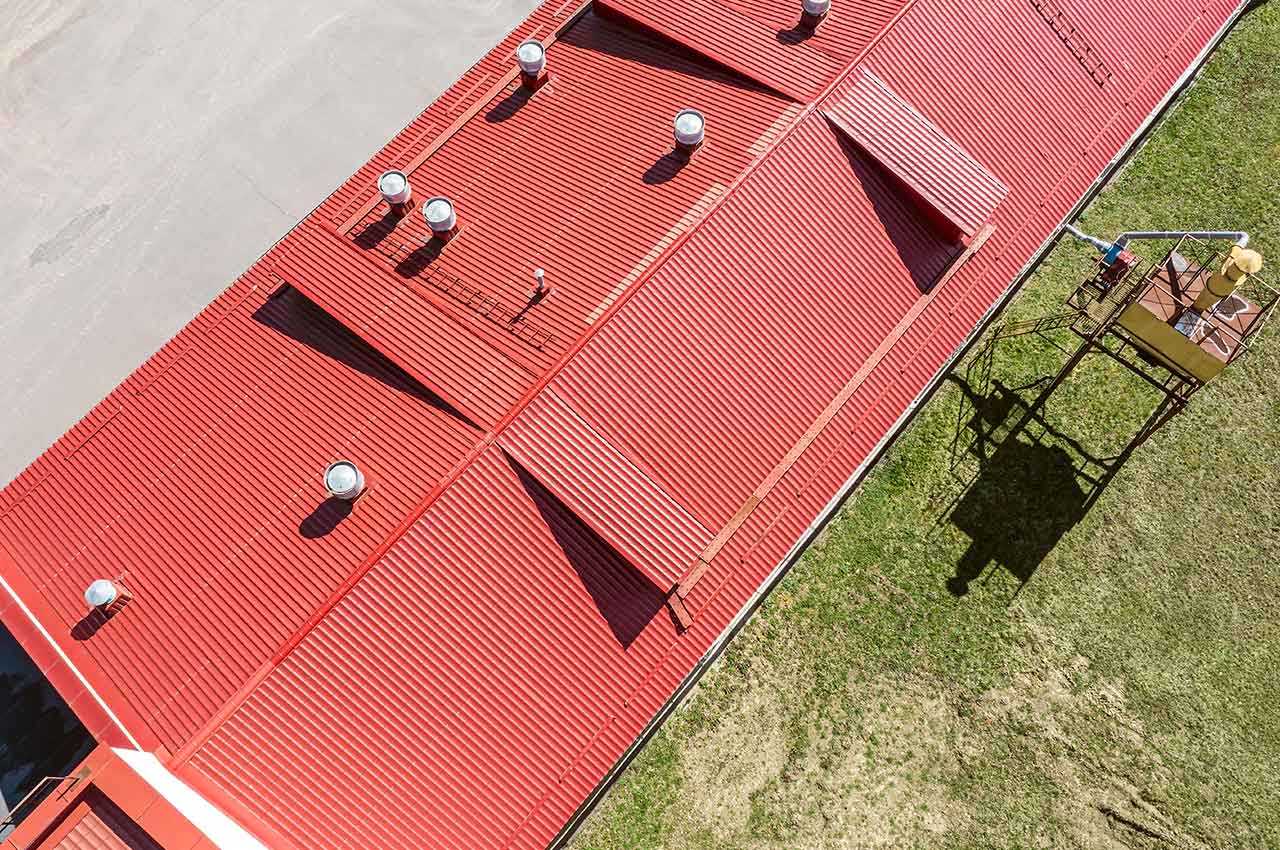
Industrial rooftop solar installations present unique engineering challenges. Structural materials must combine durability, strength, and reliability to withstand large roof spans, changing weather conditions, and continuous operational demands.
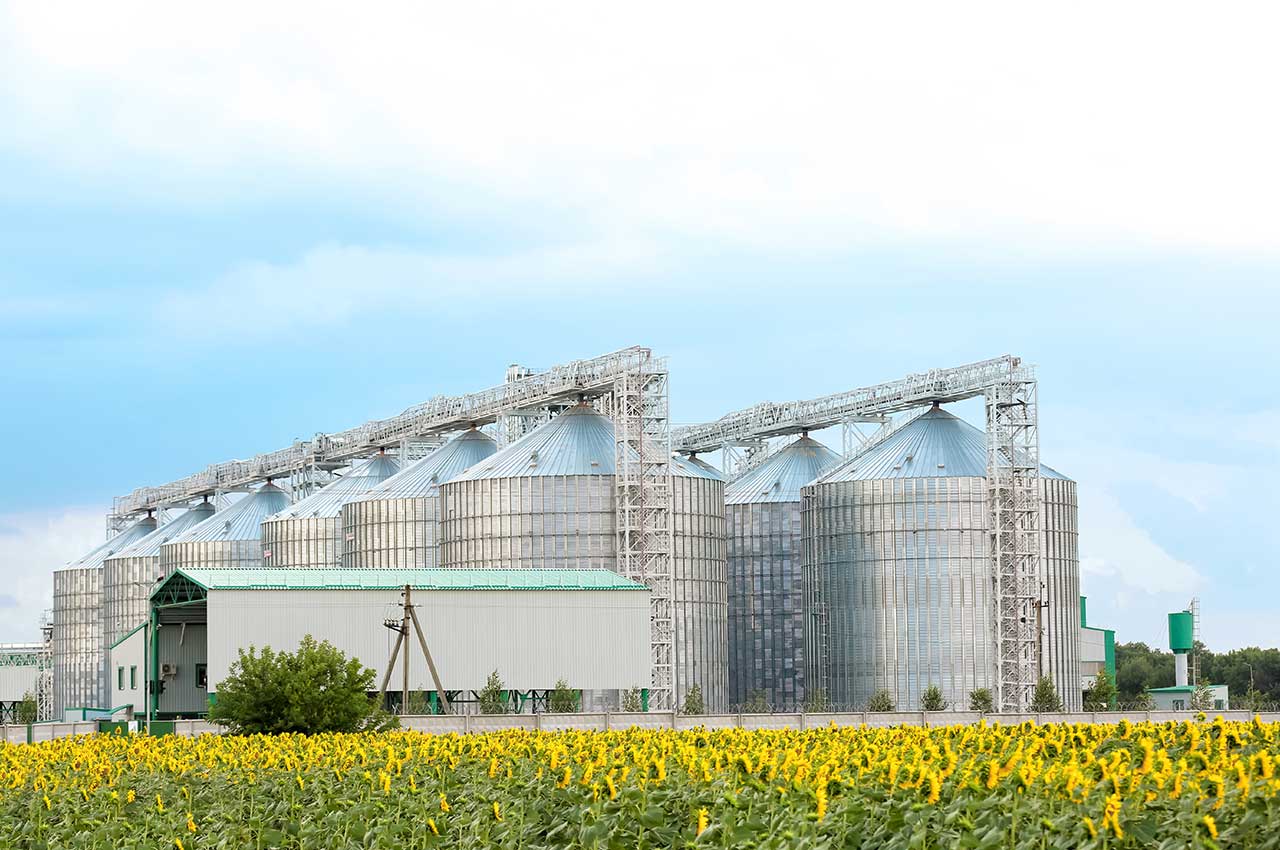
Factories, warehouses, manufacturing plants, and processing facilities often expose roofing materials to chemicals, moisture, and industrial pollutants. The specialised alloy coating of Alu-Zinc steel provides excellent resistance to these aggressive environments, helping solar panel mounting structures maintain their structural integrity over the long term.
Industrial rooftops often support large-scale photovoltaic systems comprising hundreds or even thousands of solar panels. The high strength of Alu-Zinc steel enables the construction of robust mounting systems capable of withstanding wind loads, dynamic stresses, and prolonged environmental exposure while ensuring long-term structural stability.
Time is critical in commercial solar projects. Alu-Zinc steel components are lightweight yet durable, making them easier to transport, handle, fabricate, and install. This enables EPC contractors to complete projects more efficiently, reducing labour costs and improving overall project execution.
Whether exposed to coastal humidity, heavy rainfall, high temperatures, or industrial pollution, Alu-Zinc steel delivers reliable performance across a wide range of environmental conditions. Its corrosion-resistant coating provides long-term protection in situations where conventional materials may deteriorate more rapidly.
The growing adoption of renewable energy has made high-performance structural materials just as important as the efficiency of the solar panels themselves. The durability and stability of solar panel mounting structures directly influence the overall reliability, safety, and return on investment of a solar power system. Selecting the right structural material at the outset can reduce maintenance costs, minimise downtime, and ensure dependable performance throughout the project’s lifecycle.
This is where Alu-Zinc steel stands out as a superior solution. Its outstanding corrosion resistance, high strength-to-weight ratio, excellent heat reflectivity, and long service life make it ideally suited for both industrial rooftop installations and large-scale solar projects.
Manaksia Coated Metals & Industries Ltd. manufactures Alu-Zinc steel using state-of-the-art coating technology and rigorous quality standards to ensure reliable performance in demanding applications. Whether for commercial rooftops or large industrial facilities, MCMIL’s Alu-Zinc steel delivers the strength, durability, and long-term value required for dependable solar panel mounting structures.
Answer: Yes, its superior durability helps maintain structural integrity and extends the life of the support system.
Answer: Yes, it performs well in heavy rain, humidity, intense sunlight, coastal environments, and temperature fluctuations.
Answer: Its aluminium-zinc alloy coating forms a durable barrier while protecting exposed edges from rust over time.
Answer: No, its protective coating minimizes rust formation, reducing the need for regular repairs or maintenance.
Answer: Yes, it reflects more heat, helping maintain structural stability in high-temperature environments.
Answer: Yes, it offers excellent formability, making fabrication, transportation, and installation more efficient.