
In the construction industry, longevity and durability are most important to manufacturers and builders. Research indicates that using galvalume steel can extend the life of the infrastructure by 30–50%. These materials lower the maintenance costs over time. Galvalume steel provides solutions for roofing, cladding & infrastructure.
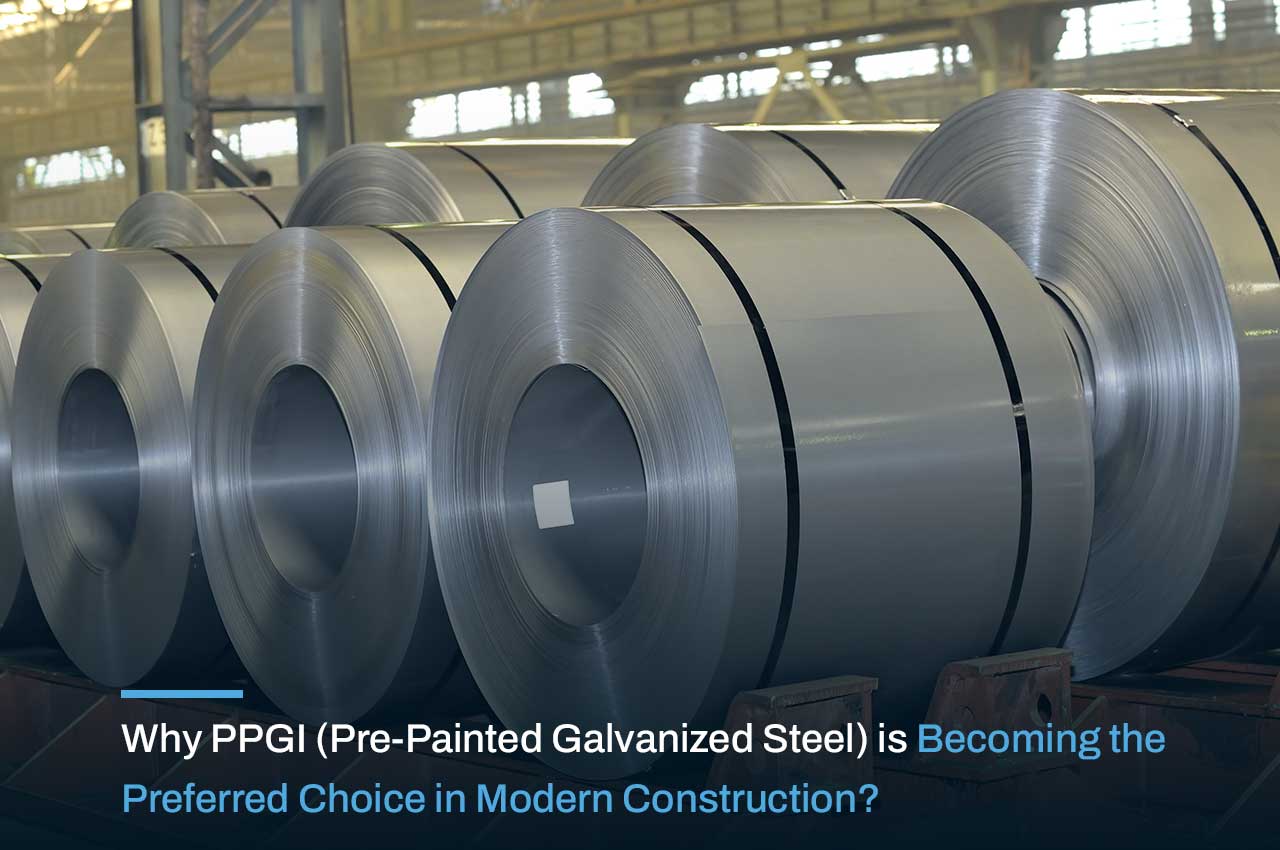
It has a surface layer composed of aluminium, zinc and silicon that provides protection from corrosion as well as provides durability. Due to this durability, it is frequently used in residential, commercial and industrial facilities.
Galvalume Steel is utilised in a wide variety of industrial and construction applications. It can be used anywhere there is a need for structural or architectural products.
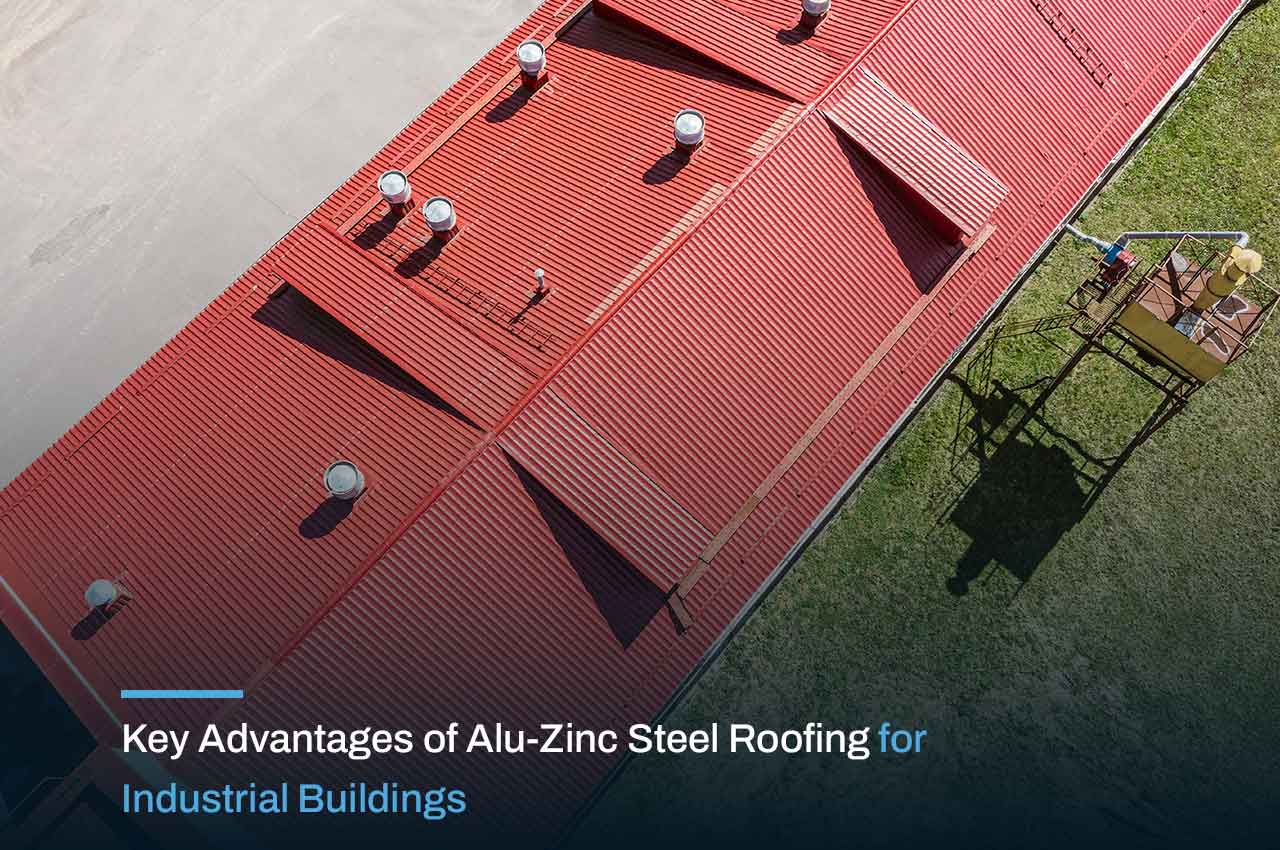
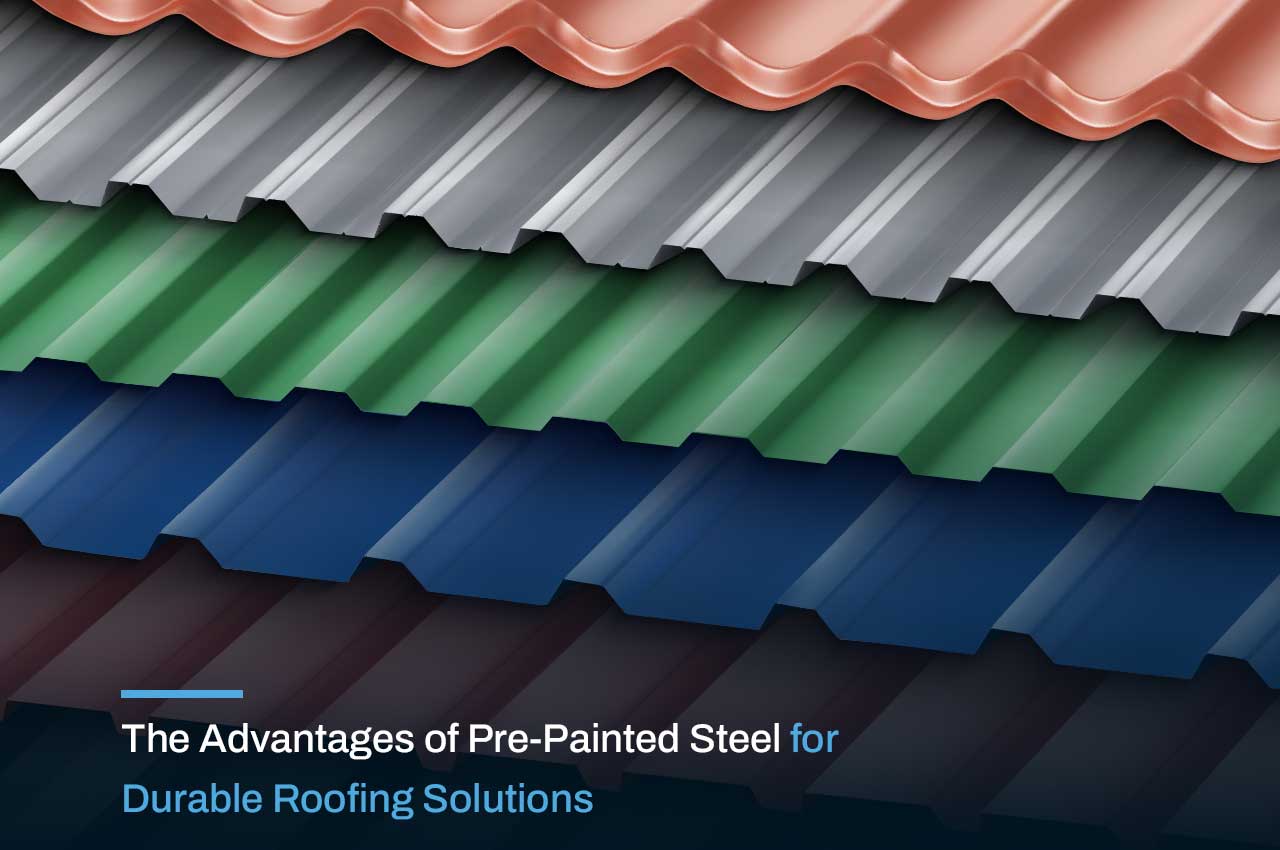
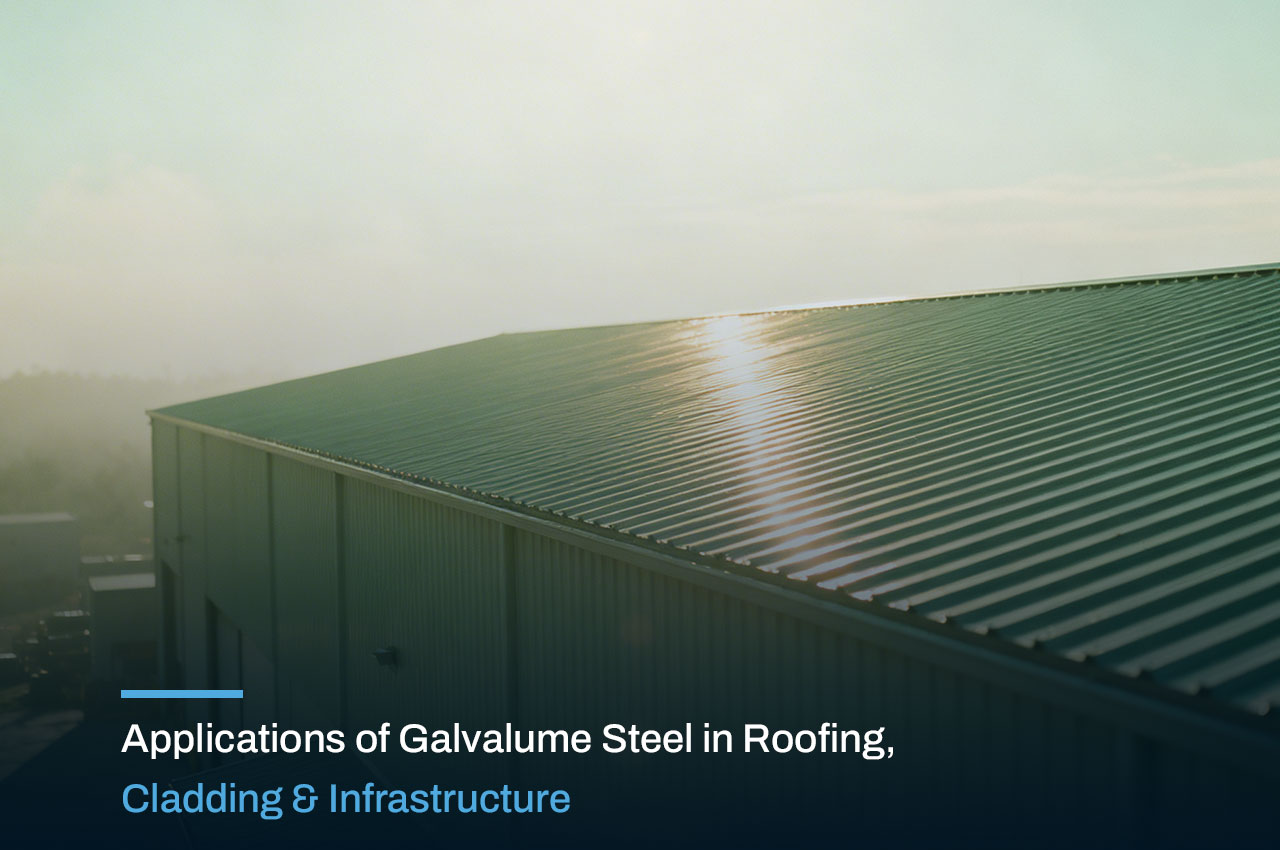
In roofing, it is a popular material for residential homes, industrial buildings, warehouses and commercial facilities. It provides long-term protection against rain, UV rays, wind and airborne contaminants. Because of its strength, it provides stability to roofs, especially when the roof is structured in large spans.
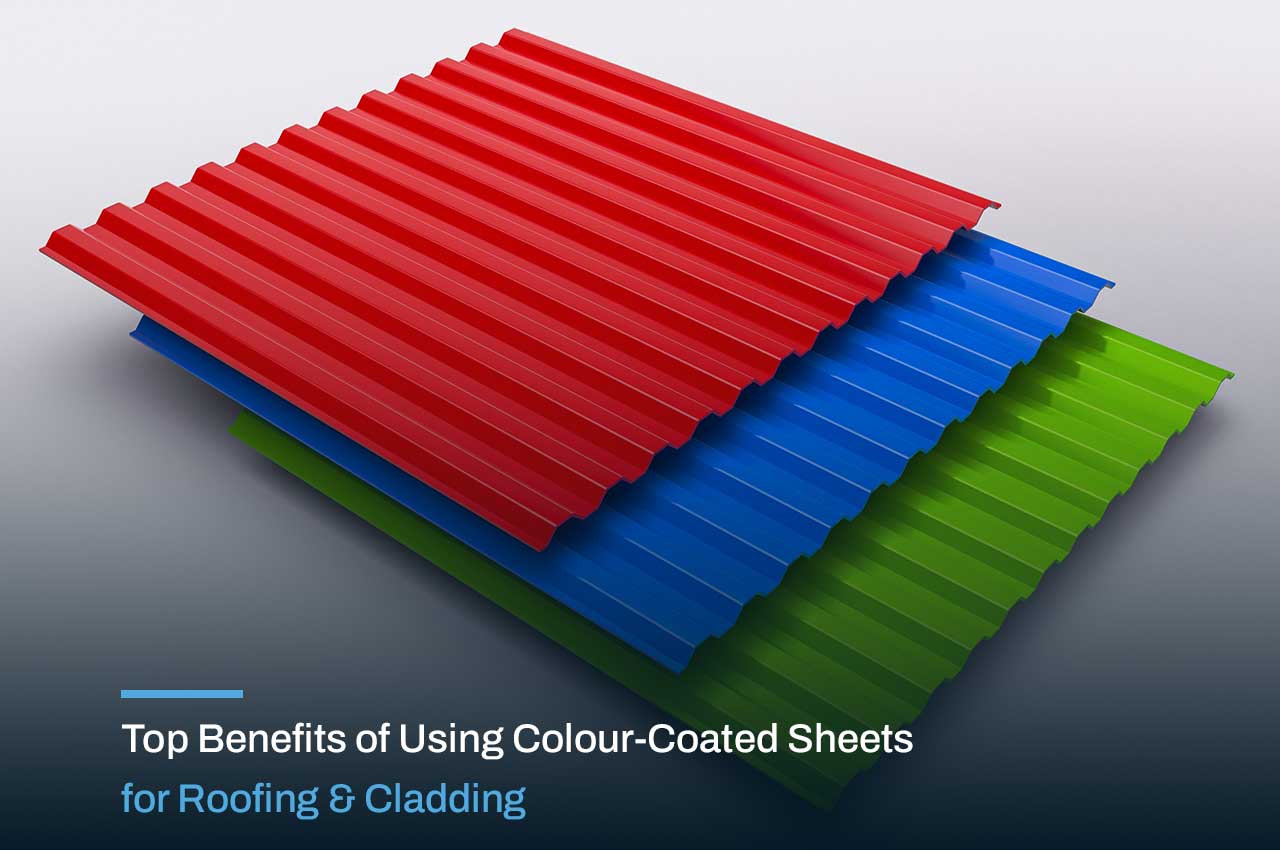
In cladding, Galvalume steel is a great material for exterior wall systems, facades, and architectural panels. It provides a barrier against water entering the building and also protects the building’s exterior from the effects of weather. It also provides architecture with a high level of aesthetic appeal due to its clean lines and uniform finish.
It plays a significant part in infrastructure development. Airports, train stations, subway corridors, power plants and logistic centres require building materials that will stand up to continuous usage, mechanical loads and climatic conditions.
Roofs are always being exposed to various climatic conditions. Galvalume steel is the preferred material because it has the best protection and durability over time.
Galvalume steel’s main advantage is its incredible resistance to rust, which allows for a longer service life than traditional galvanised roofing materials. The aluminium coating prevents oxidation, whereas the zinc coating protects the metal edges from corrosion. In addition to its ability to resist rust, it exhibits excellent thermal performance. The reflective surface of galvalume can reflect a large portion of solar heat, reducing heat gain within a building, thus allowing for lower cooling costs, especially when applied to large commercial and industrial roofs.
The Galvalume roofing system has minimal weight with high strength and structural integrity. This provides less load to the building framework while providing good resistance to wind-uplift loads and mechanical damage. Quick installation and reduced structural requirements lessen construction time and costs.
These roofing systems have low maintenance requirements. They do not require frequent repainting or surface treatments, hence reducing operating costs. It is environmentally friendly because it can be recycled. It also promotes responsible development through sustainable design. Furthermore, its longevity means that you will not need to replace it as often, thus reducing the amount of resources required for replacing materials and generating less waste.
With numerous benefits, Galvalume has become the preferred roof system for industrial buildings, commercial buildings, and major public works projects.
Galvalume steel continues to gain popularity for modern construction projects because of its strength, corrosion resistance and longevity. The numerous applications of galvalume steel are roofing, cladding and infrastructure. This proves both its diversity and performance capabilities.
It provides the structural integrity necessary for the construction of industrial buildings, commercial buildings, and many large infrastructure projects. The further benefits of galvalume are the ability to retain thermal energy, minimal maintenance requirements and recyclability.
With the continued evolution of ISO standards for construction materials, it will continue to be the material of choice for building material manufacturers, creating building systems that require strength, sustainable properties, and extended degrees of protection from damage.
Q. What makes alu-zinc steel different from galvanised steel?
A. It has an aluminium-zinc coating that provides superior corrosion resistance and longer lifespan compared to galvanised steel, especially in harsh and coastal environments.
Q. How long does Galvalume roofing typically last?
A. Alu-zinc roofing can last 25–40 years depending on environmental conditions, installation quality, and maintenance practices, making it a long-term construction solution.
Q. Is Galvalume steel environmentally friendly?
A. The steel is recyclable and supports sustainable construction practices. Its long service life reduces material replacement frequency and minimises overall environmental impact.
Q. Is alu-zinc steel cost-effective for long-term projects?
A. It reduces lifecycle costs through durability, low maintenance, and extended service life, making it a cost-effective solution for roofing and infrastructure projects.