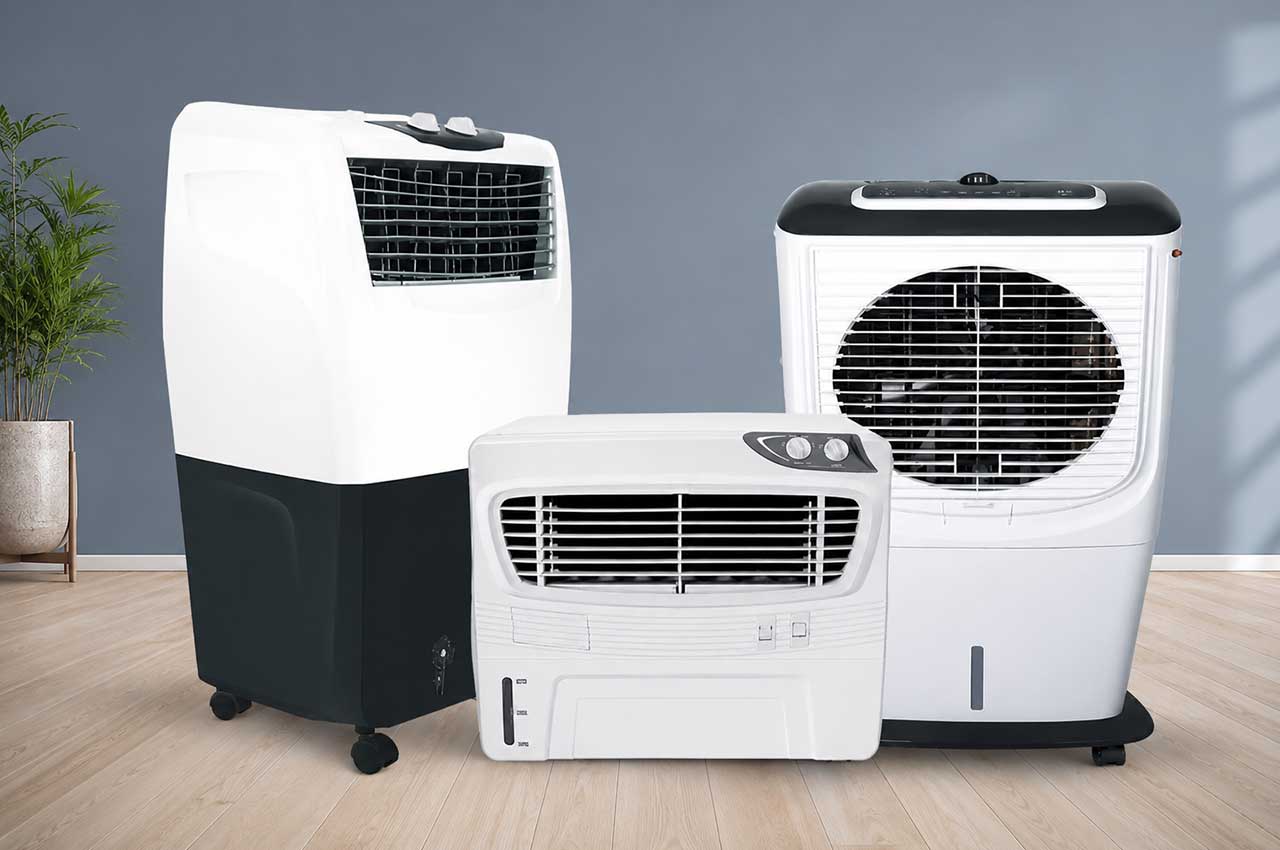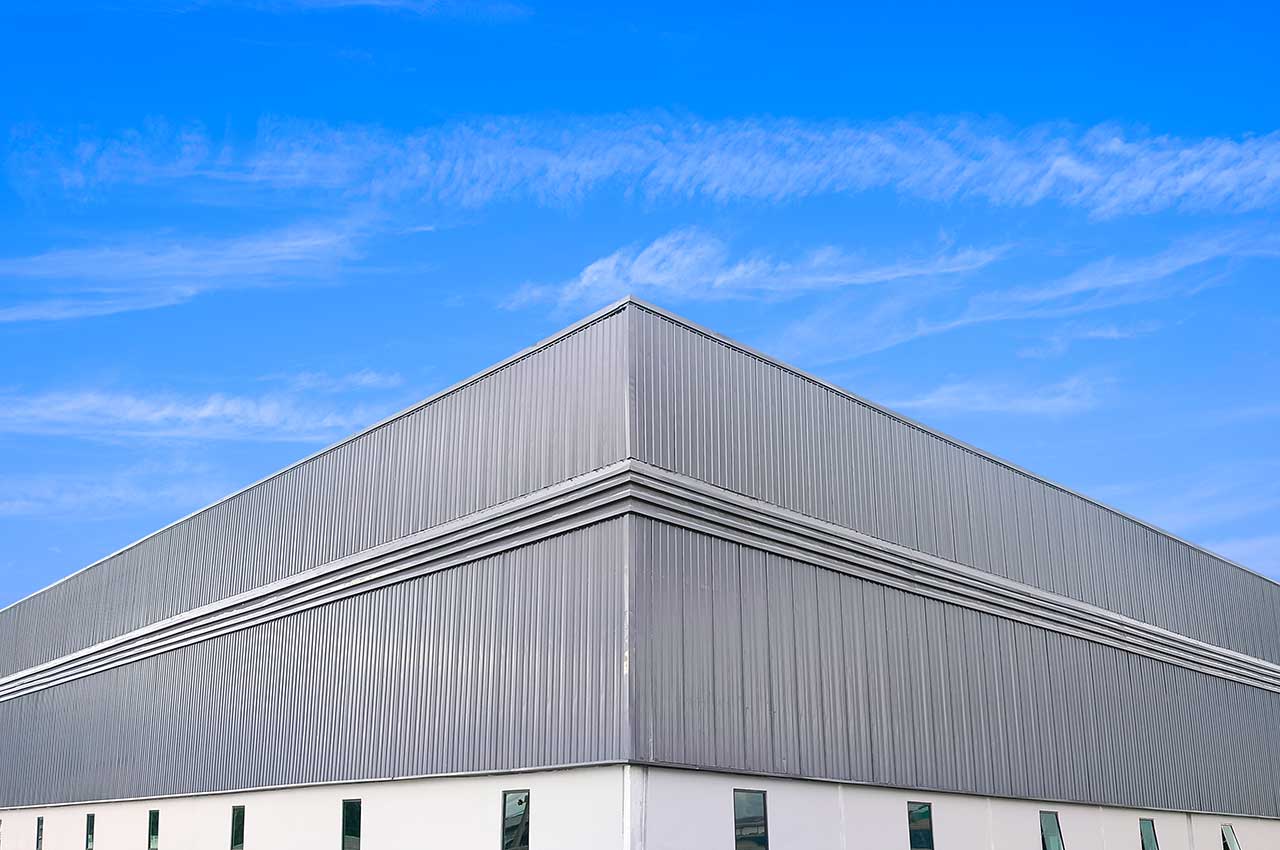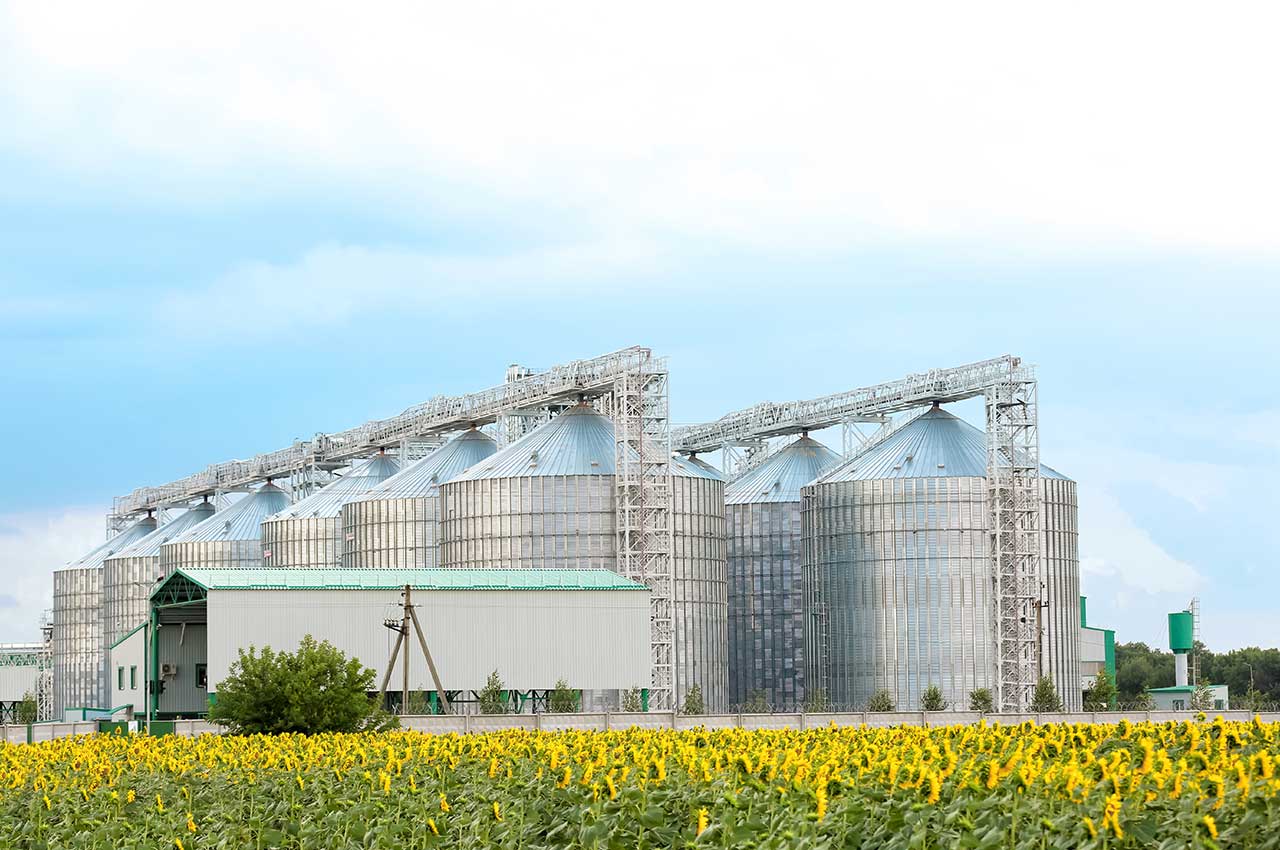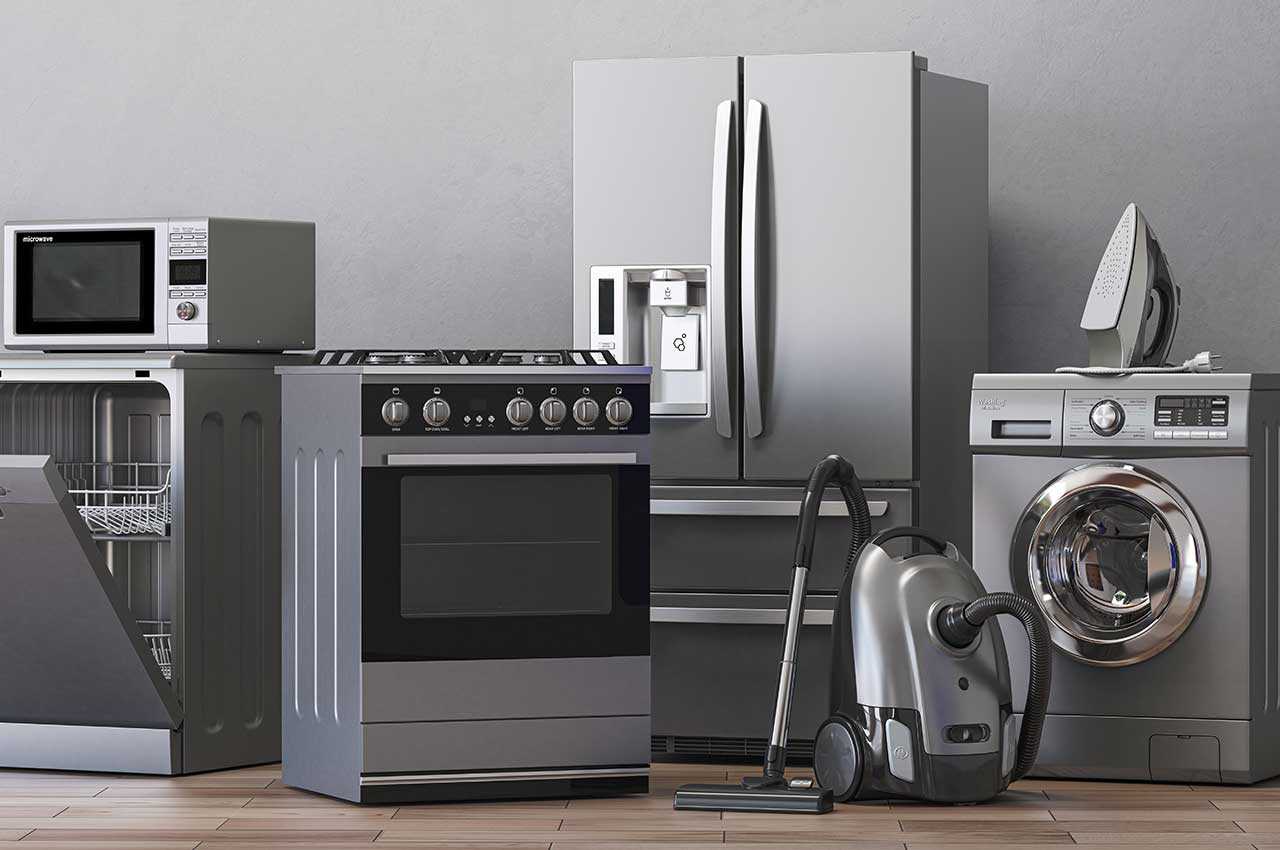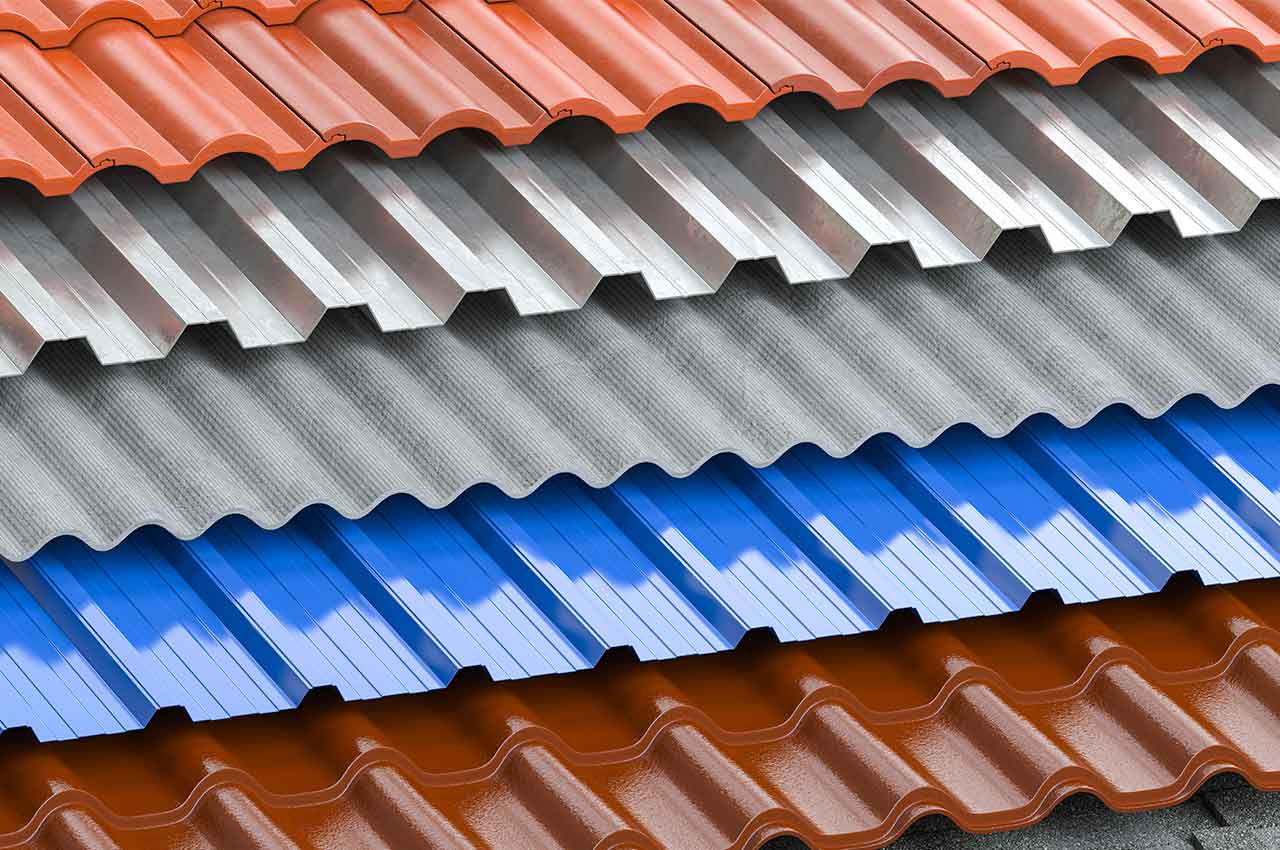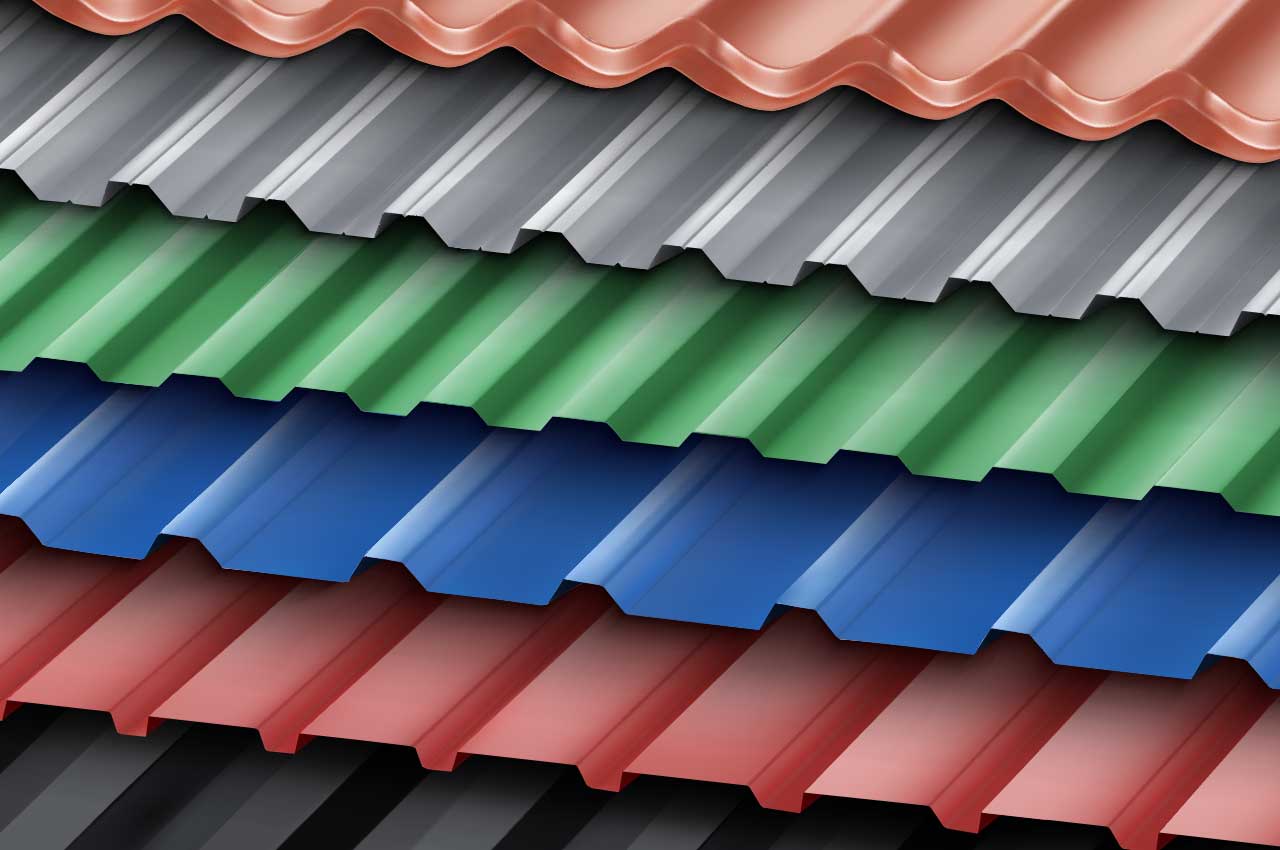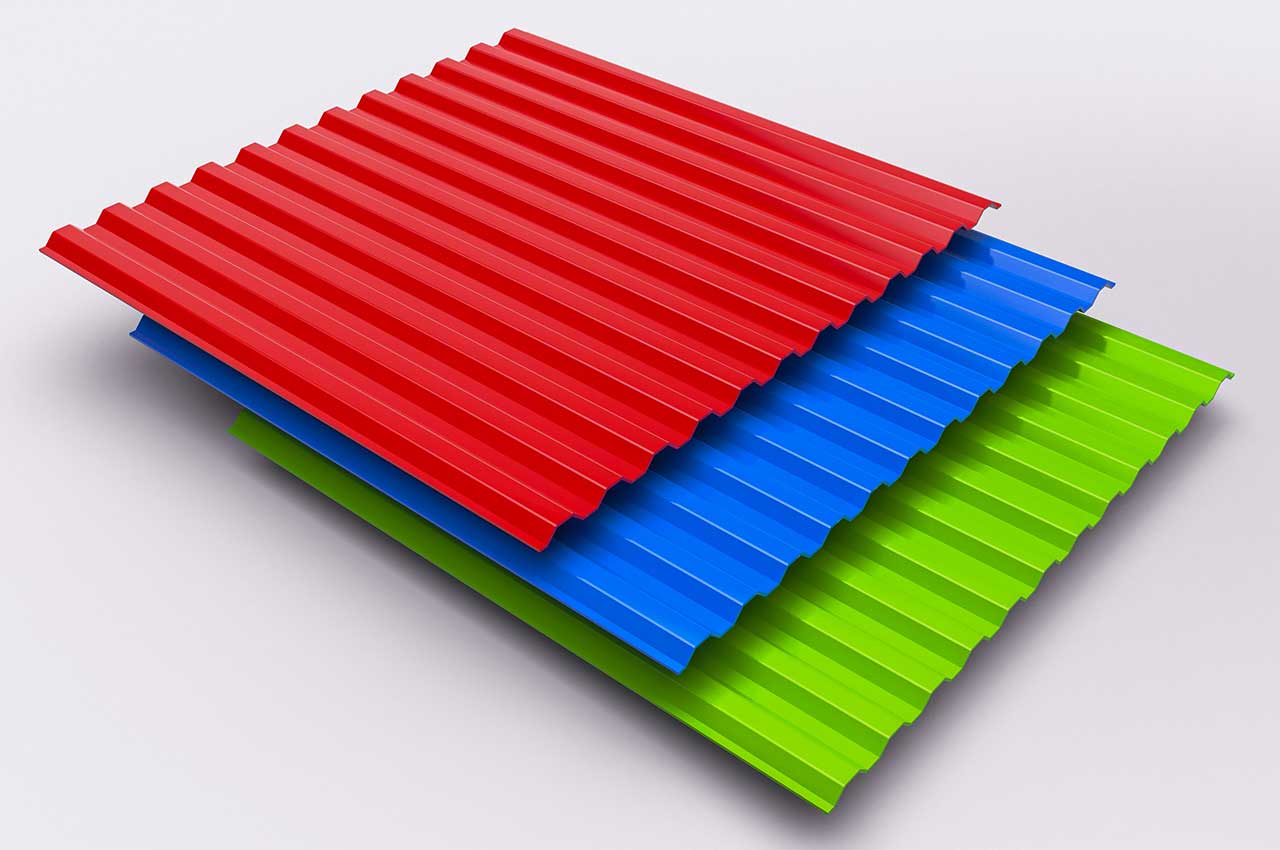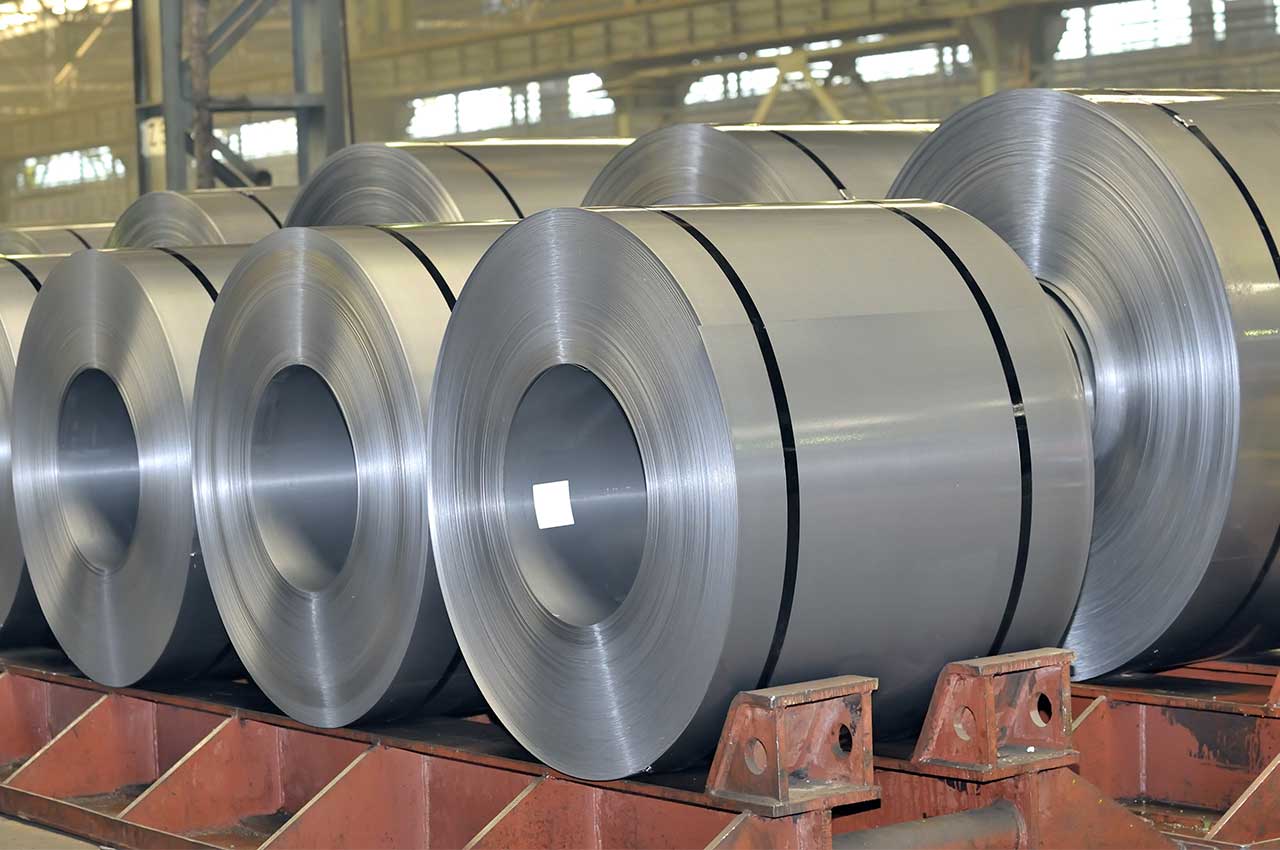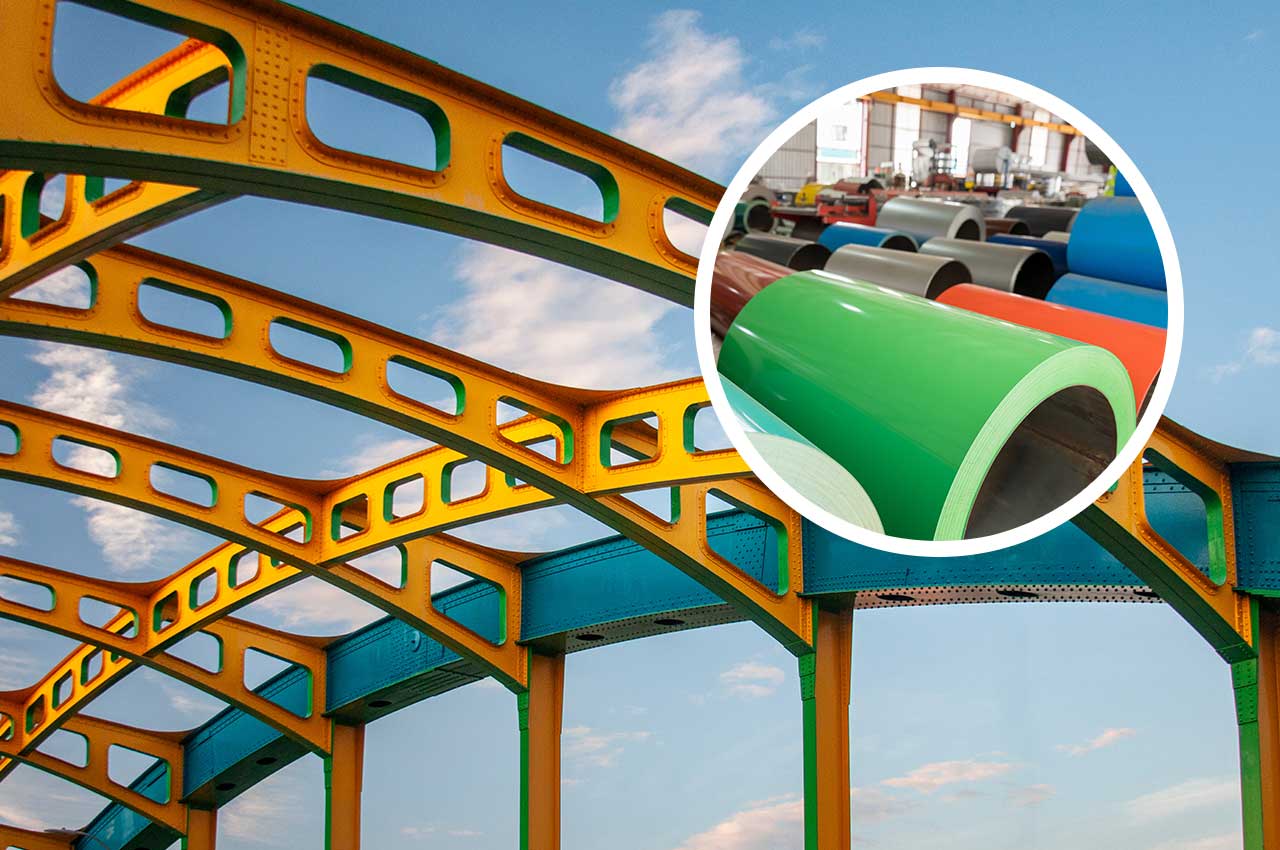

Pre-painted steel is widely used in construction, appliances, infrastructure, and manufacturing due to its durability, corrosion resistance, and aesthetic appeal. While the topcoat is visible, the primer layer plays a crucial role in ensuring long-term performance.
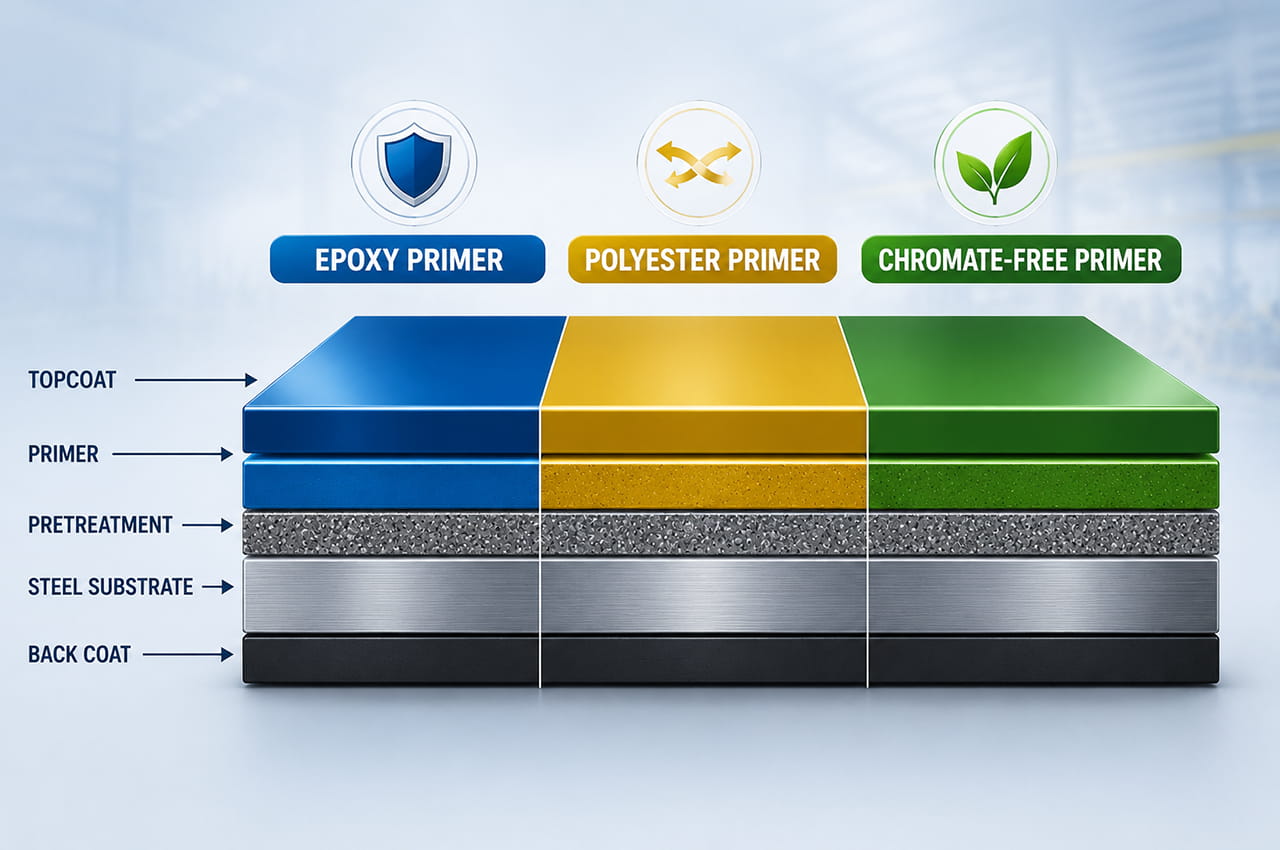
A quality primer improves adhesion between the steel substrate and the topcoat while providing additional protection against corrosion. The three most commonly used primer technologies are epoxy, polyester, and chromate-free primers. Each offers varying performance benefits based on the intended application of the final product.
According to studies, the global market for coil coatings is expected to exceed $7 billion by the end of this decade. Demand for high-performance and environmentally friendly coating systems continues to grow steadily.
Leading companies like Manaksia Coated Metals are committed to sourcing the latest primer technologies to deliver durable and dependable pre-painted steel products for roofing, cladding, industrial applications, and appliance manufacturing.
Choosing the right primer helps prevent corrosion, improves coating durability, and extends the service life of pre-painted steel. As environmental regulations become more stringent, chromate-free technologies are gaining popularity as safer and more sustainable alternatives. Understanding the differences between epoxy, polyester, and chromate-free primers helps users select the most suitable coating system for their specific requirements.
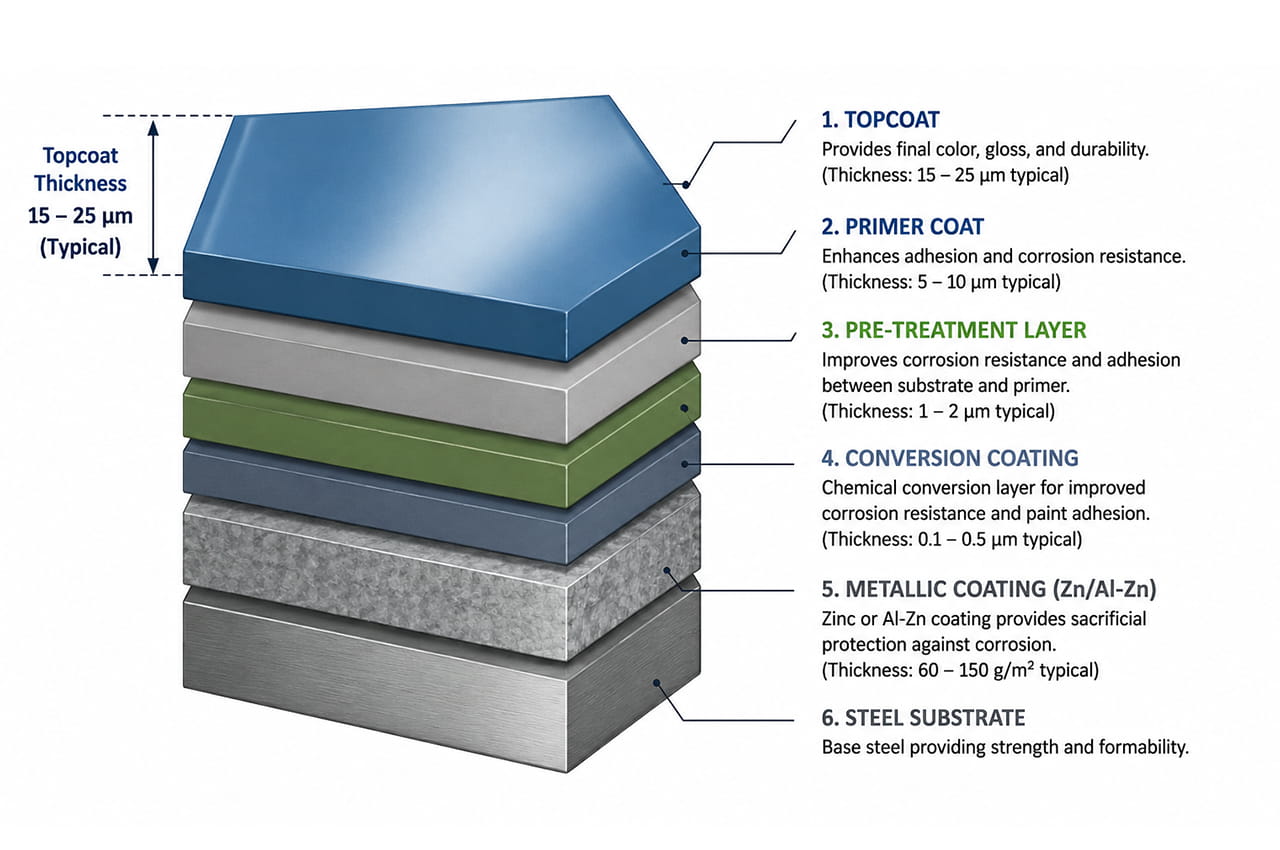
Primer is an intermediate coating applied between the steel substrate and the final topcoat in a pre-painted steel system. While the topcoat conceals the primer from view, it significantly influences the structural integrity and performance of the finished product.
The following are the most important functions of a quality primer:
For applications such as roofing sheets, cladding, sandwich panels, HVAC systems, appliances, and industrial buildings, the quality of the primer can significantly influence maintenance costs and long-term product durability.
According to NACE International, corrosion-related costs account for approximately 3–4% of global GDP. This emphasises the importance of a well-planned corrosion protection strategy, including the use of properly formulated primers, to ensure the long-term service life of steel structures.
Several manufacturers of pre-painted steel products, including Manaksia Coated Metals, are implementing advanced coating technologies to ensure superior durability and performance across diverse climates and industrial environments.
Many different primer technologies are used in the manufacture of pre-painted steel. Among them, epoxy, polyester, and chromate-free primers are the most commonly used.
Epoxy Primers
Epoxy primers provide excellent corrosion resistance, strong adhesion, and protection against chemical exposure. They provide a highly durable barrier against moisture and corrosive substances and are widely used in industrial buildings, infrastructure projects, and coastal applications.
Limitation: Epoxy primers exhibit lower UV resistance than many other primer systems. Therefore, they are typically paired with UV-resistant topcoats.
Polyester Primers
Polyester primers are widely used due to their flexibility, cost-effectiveness, and balanced overall performance. These primers offer excellent bending and forming characteristics and are commonly used for residential roofing, commercial buildings, appliances, and interior panel applications.
Limitation: They are generally less corrosion-resistant in highly aggressive environments when compared to epoxy primers.
Chromate-Free Primers
Chromate-free primers are environmentally friendly alternatives to traditional chromate-based systems. They provide a high level of corrosion protection while supporting regulatory compliance, worker safety, and sustainability objectives.
Common applications include green buildings, sustainable infrastructure projects, appliances, and architectural panels.
As environmental regulations continue to evolve, the adoption of chromate-free technologies continues to increase across the pre-painted steel industry.
The selection of the right primer depends on several factors, including:
Environment
Projects located in coastal areas, near chemical plants, or in high-humidity environments are likely to benefit from epoxy-based coating systems, as they are generally considered superior in terms of corrosion resistance.
Fabrication Requirements
Applications requiring extensive forming, bending, or shaping may favour polyester primers because of their flexibility.
Sustainability
Many organisations are seeking to improve environmental responsibility across their operations and projects. Selecting a chromate-free primer that complies with current regulations helps support these objectives.
Lifecycle Cost Considerations
Initial material cost is an important consideration for any organisation. Studies indicate that investing in advanced primer technologies can deliver long-term savings through reduced maintenance and replacement costs.
The pre-painted steel industry continues to evolve as manufacturers focus on improving durability, sustainability, and performance. Innovations in resin chemistry, corrosion inhibitors, and environmentally friendly formulations are driving the next generation of primer technologies.
Chromate-free systems are expected to gain further momentum as governments and industries worldwide strengthen environmental regulations. At the same time, advanced epoxy and polyester formulations continue to improve corrosion protection and processing efficiency.
Manufacturers such as Manaksia Coated Metals remain committed to delivering high-quality pre-painted steel solutions by incorporating advanced coating technologies that meet both performance and sustainability requirements.
A primer creates a strong bond between the steel substrate and topcoat while improving corrosion resistance, durability, flexibility, and overall service life of pre-painted steel.
Epoxy primers generally provide the highest corrosion resistance, making them suitable for coastal areas, industrial environments, chemical plants, and other aggressive exposure conditions.
Chromate-free primers support environmental compliance, improve worker safety, and meet sustainability goals while delivering strong corrosion protection for modern pre-painted steel applications.
Polyester primers are ideal for applications requiring flexibility and cost-effectiveness, such as residential roofing, commercial buildings, appliances, and interior steel panels.
Modern chromate-free primer technologies offer excellent corrosion protection and durability, making them a reliable alternative to conventional chromate-based coating systems.
The selection depends on environmental conditions, corrosion risks, fabrication requirements, sustainability objectives, and lifecycle costs to achieve optimal long-term performance.