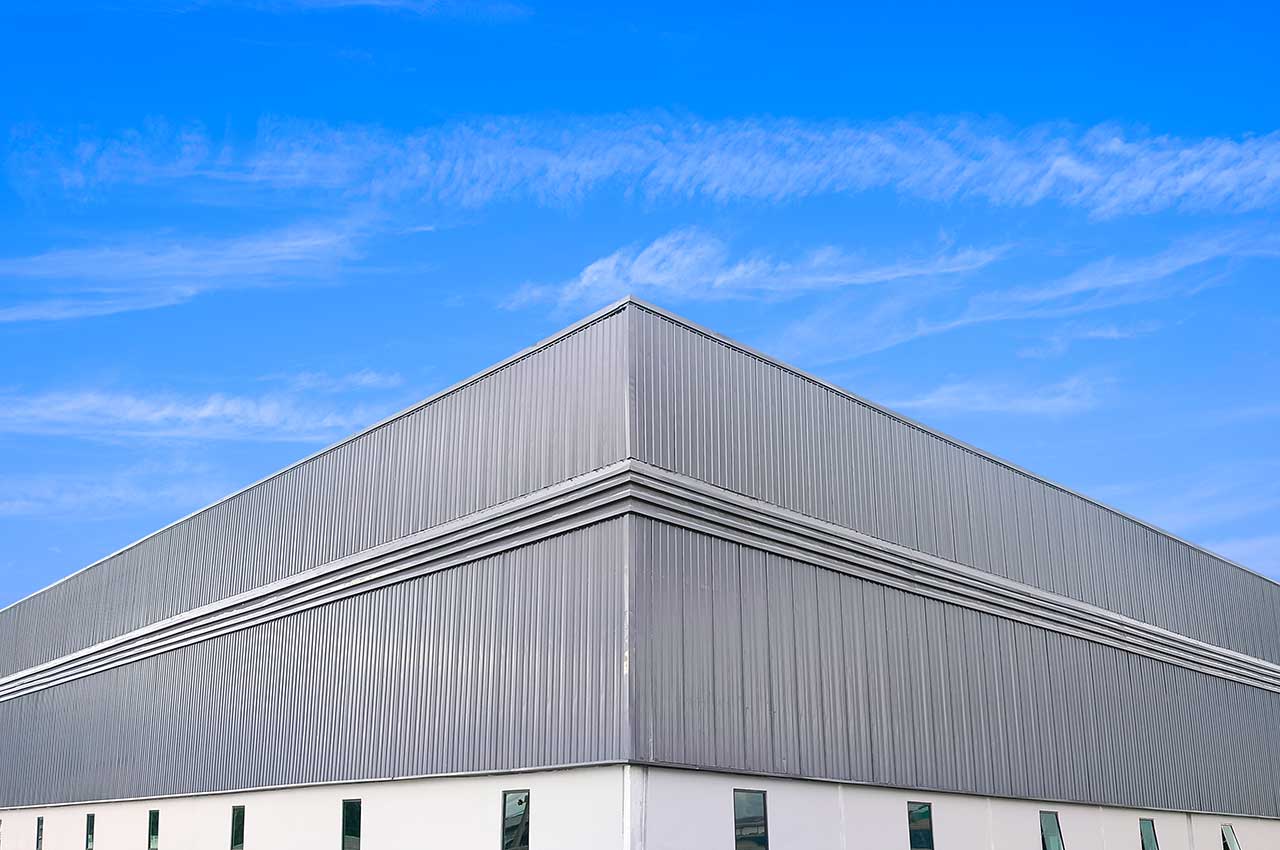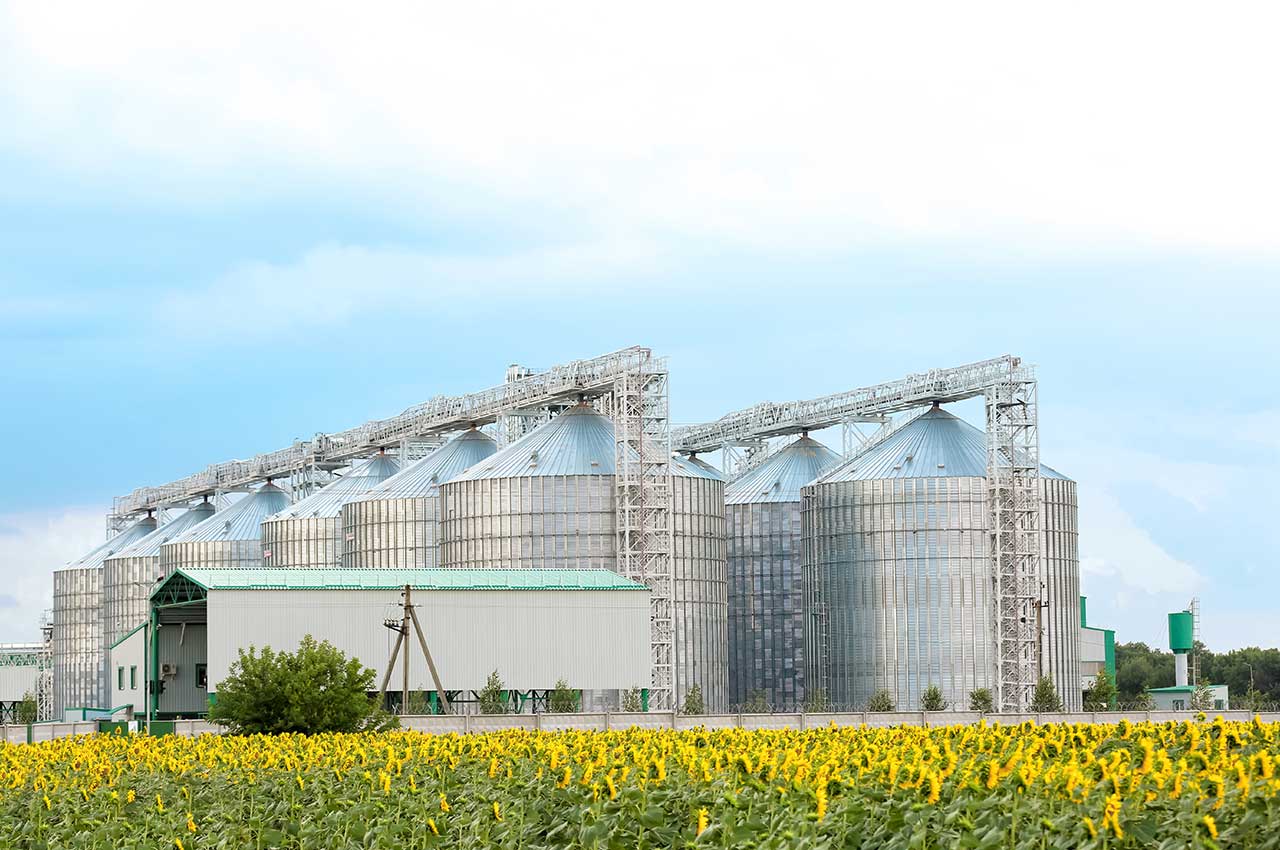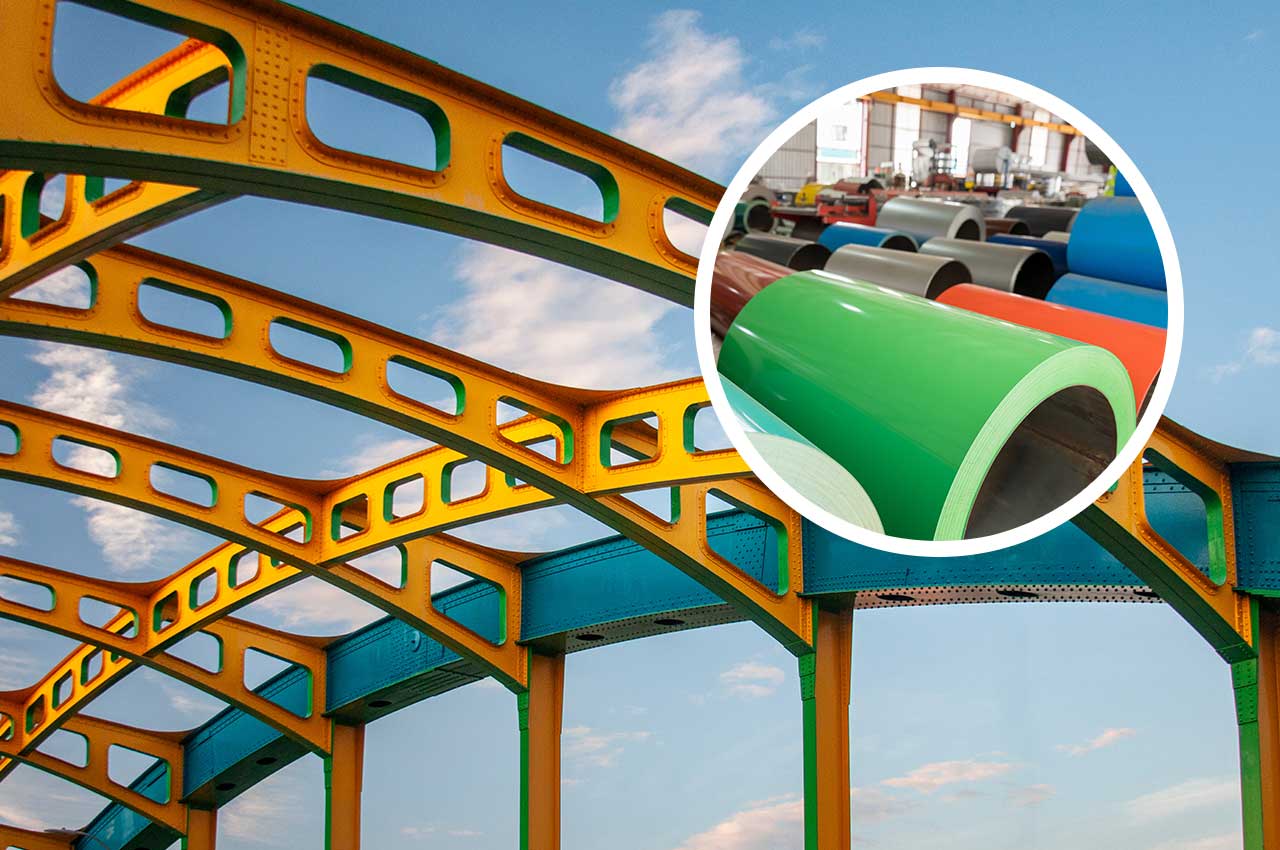

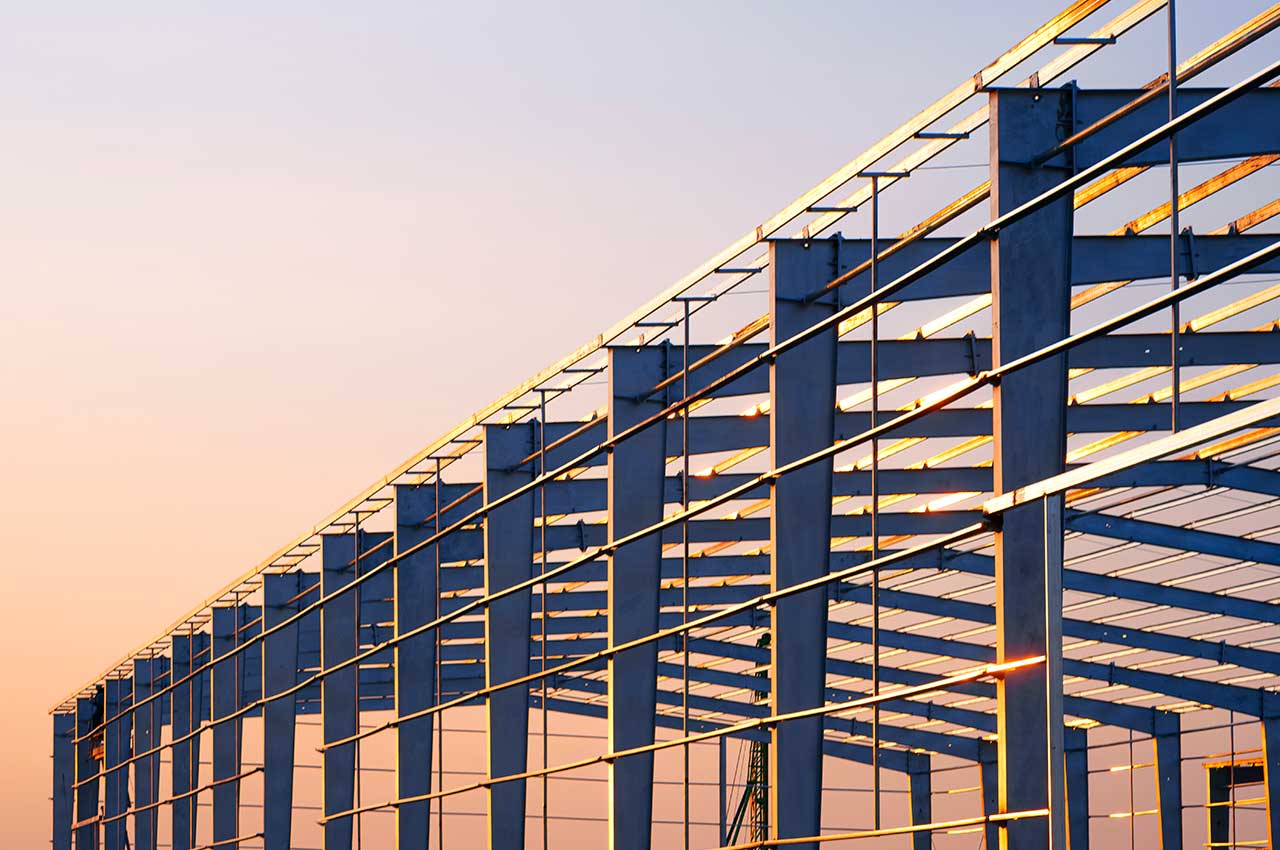
Modern construction is rapidly changing through trends like pre-engineered buildings. They are the preferred structural solution for industrial warehouses and logistics hubs. The reason for this shift is fast construction timelines, cost-effective design and efficient structural performance. Built from pre-assembled, factory-made components, these buildings can typically be completed within 4 to 8 weeks.
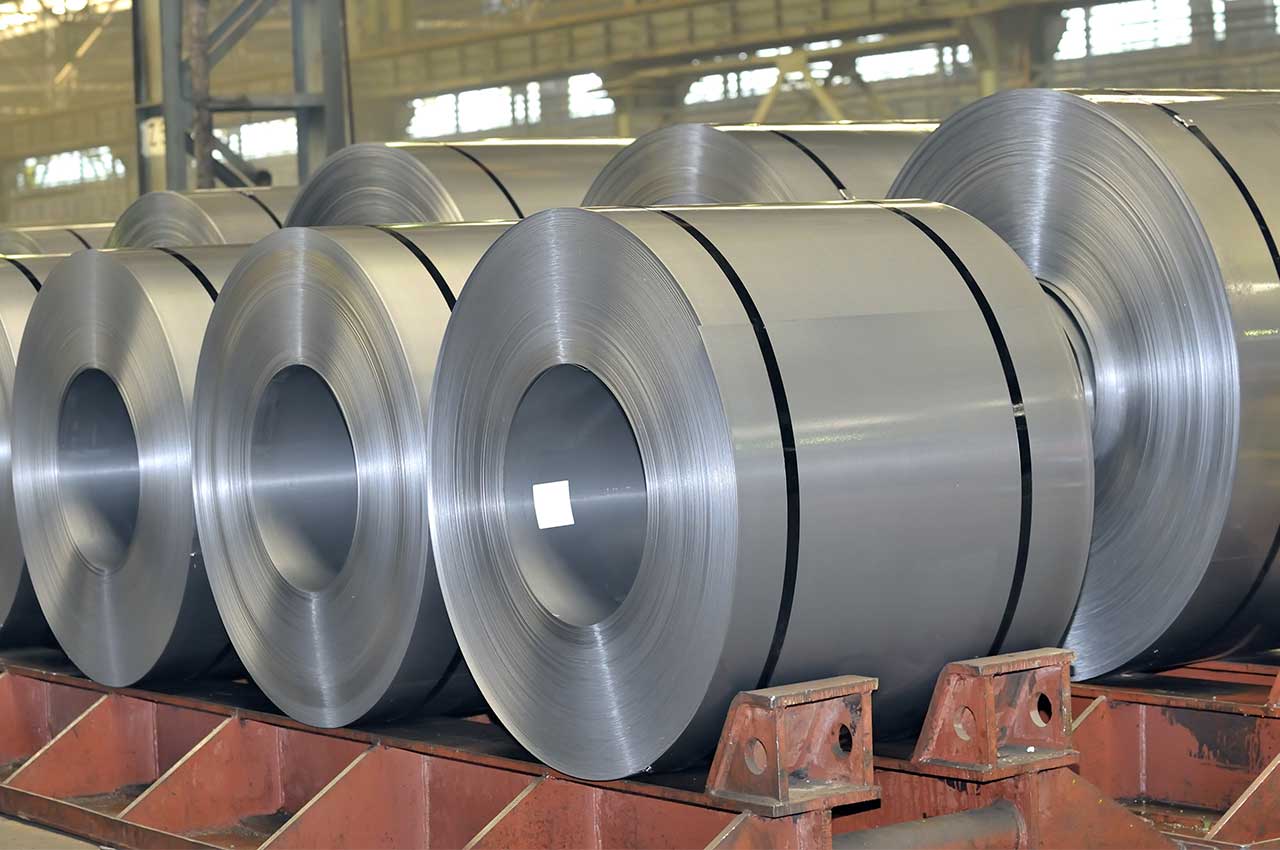
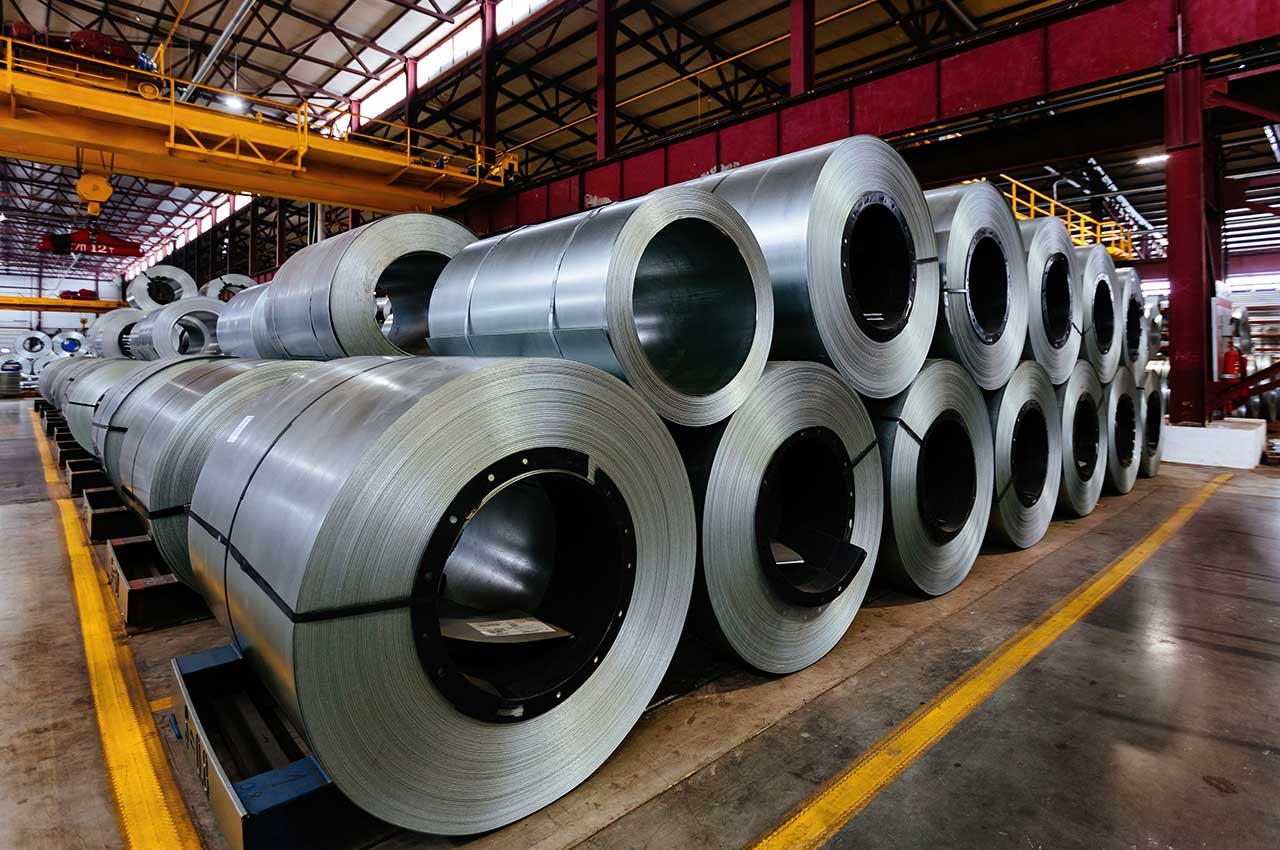
The primary reason for this construction efficiency is a single, critical component: the steel coil. The majority of structural and secondary elements used in constructing PEBs are manufactured from steel coils. Therefore, the quality of the steel used as a raw material directly influences the strength, durability and speed of construction in PEBs.
This blog discusses how steel coil quality influences the overall structural integrity and construction efficiency of PEBs.
A PEB is developed with extreme precision and consists of multiple elements that are pre-designed, pre-cut, and prefabricated in a controlled environment before being delivered to the site.
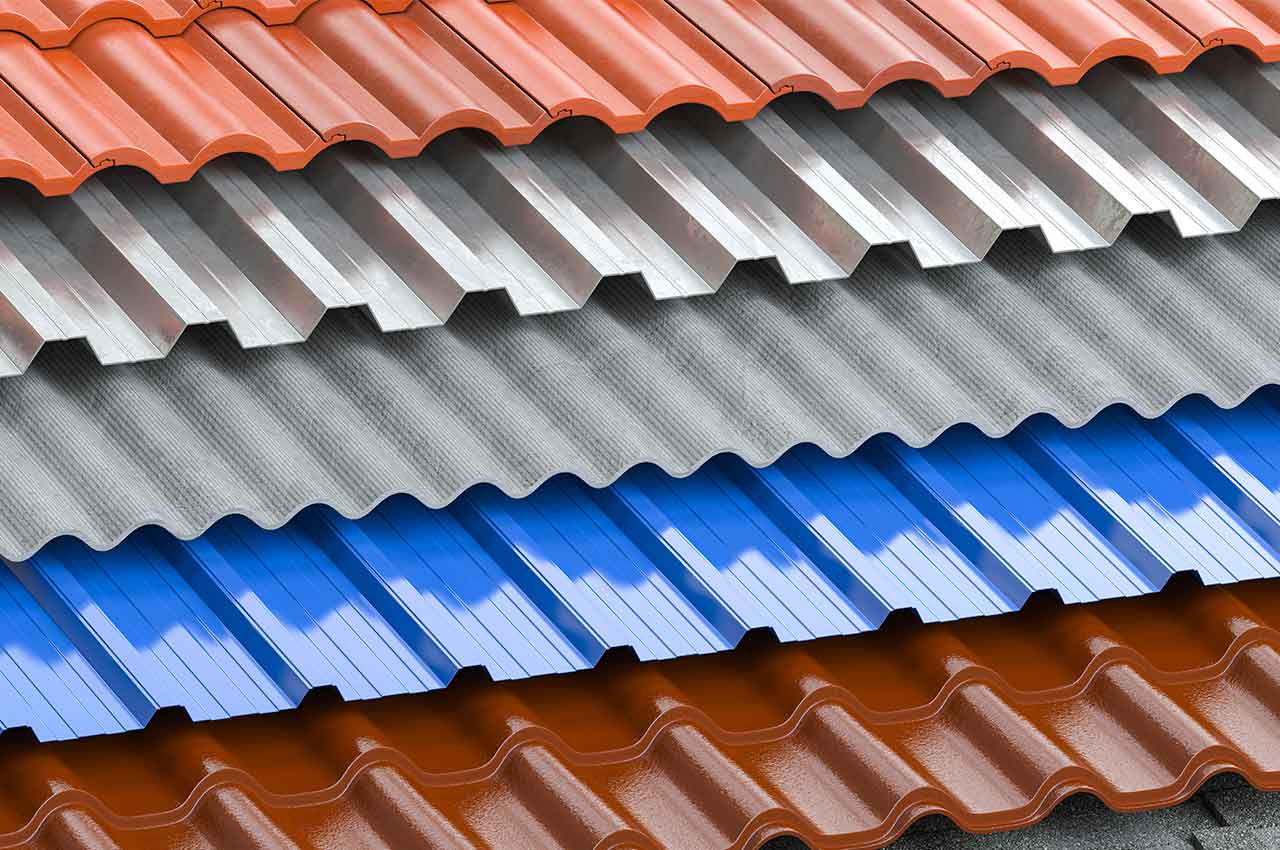
Steel coils are used to manufacture the following:
These elements are cold-formed directly from steel coils.
1. Foundation of dimensional accuracy
PEBs depend on precise alignment. High-quality steel coils ensure:
2. Direct Effect on Fabrication Efficiency
One of the key advantages of pre-engineered buildings is factory-based manufacturing. Therefore, steel coil quality directly affects:
Poor-quality coils increase the need for rework, create delays and generate excess material waste.
3. Corrosion Resistance and Lifecycle Performance
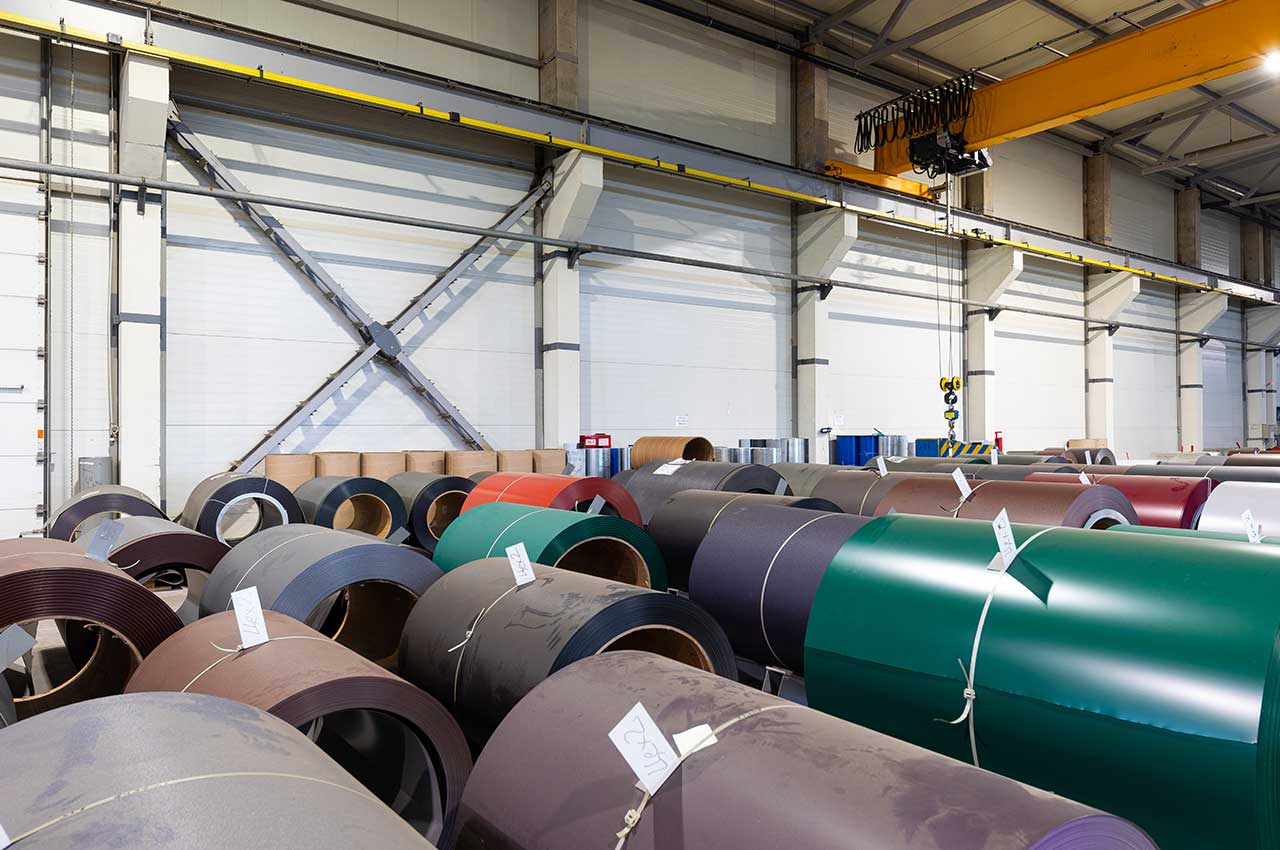
Apart from manufacturing efficiency, these buildings rely heavily on coated steels such as Alu-Zinc or pre-painted steel. High-quality coils help provide:
Poorly coated steel corrodes faster. It results in increased maintenance costs and a reduced structural lifespan.
4. Market-driven efficiency expectations
Modern construction demands speed and cost efficiency. PEBs already offer:
1.PEBs are designed to be lightweight yet strong. Steel offers an excellent strength-to-weight ratio, enabling:
However, this performance also depends heavily on steel coil quality. Variations in tensile strength or chemical composition can reduce load-bearing capability and increase the risk of deformation under stress.
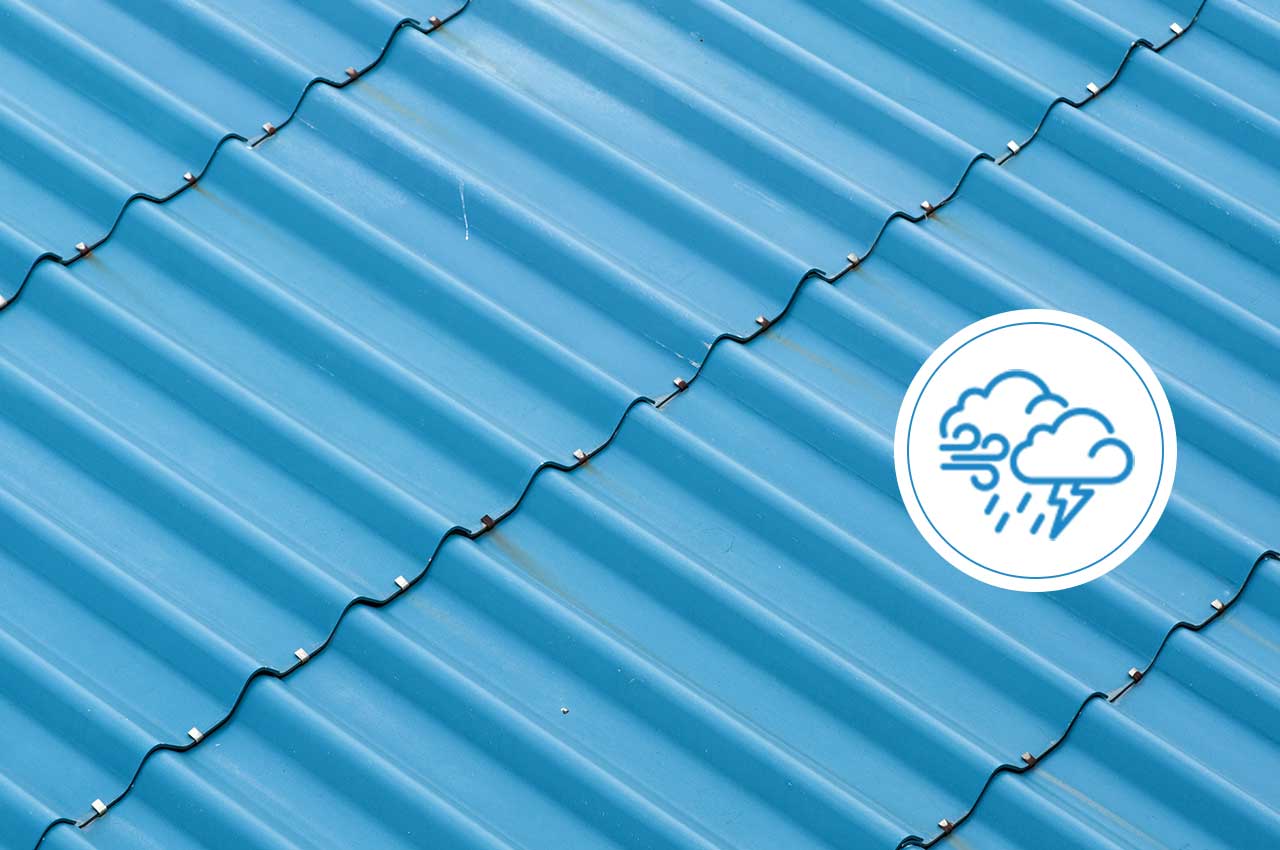
2. Pre-engineered buildings are designed to withstand:
High-quality steel coils ensure consistent stress distribution across structural members.
3.PEBs primarily use bolted connections instead of on-site welding. Therefore, it is essential for steel components to maintain dimensional consistency and precise shaping during manufacturing.
4. High-quality steel coils improve durability through:
When properly constructed, steel structures can last for more than 30 years with minimal maintenance requirements.
Steel coil selection directly influences the overall performance of a PEB. Strength, coating quality, thickness consistency and surface finish. These factors affect structural reliability, manufacturing precision and long-term durability.
Partnering with Manaksia Coated Metals & Industries Limited ensures consistent quality, faster execution and reduced lifecycle costs. With the right steel foundation, PEB projects become stronger, more efficient and built to last.
Answer: Pre-engineered buildings are steel constructions made in factories that are intended to be assembled quickly. They shorten building times, maximise the use of materials and provide high-performing, reasonably priced solutions for commercial and industrial uses.
Answer: The majority of PEB components are made of steel coils. On-site construction speed, corrosion resistance, structural strength, and fabrication precision are all directly impacted by its quality.
Answer: High-quality steel coils ensure consistent strength and thickness, enabling better load-bearing capacity, resistance to deformation, and reliable performance under wind, seismic, and environmental stresses.
Answer: Yes, high-quality steel coils improve fabrication precision and reduce rework. This ensures faster assembly, minimal site adjustments, and significantly shorter project timelines for PEB construction.
Answer: Key factors include tensile strength, coating quality, thickness consistency, surface finish, and corrosion resistance. These determine durability, fabrication efficiency, and long-term performance of PEB structures.
Answer: Manaksia Coated Metals & Industries provides high-quality steel coils with consistent specifications, ensuring faster construction, improved durability, and reliable performance for modern Pre-Engineered Buildings.